
The short answer: Yes, but not all. Most modified bumpers and bull bars are not allowed on national roads if they change your vehicle’s design, add dangerous protrusions, or break LTO safety rules. Some simple exterior upgrades may be fine if they don’t compromise safety and don’t change your vehicle’s structure.
If you are a car owner who likes to tweak his rides either for extra protection, tougher look, or simply as a rolling passion project, it’s important that you are aware of the simplified rules so you can learn about what’s safe, what’s illegal, and what to do next.
What the LTO Says About Modifications
The main rulebook comes from Department Order 2010-32, aligned with the UN-ECE standards (used across ASEAN). It defines a modification as any physical change to your car’s existing design.
Modifications are allowed only if:
- You can present a Certificate of Road Safety from your vehicle manufacturer.
- The LTO inspects your vehicle and confirms the change doesn’t compromise safety.
- The modification doesn’t fall under the banned list.
But if the mod affects the car’s built-in safety, environmental rules, or structural integrity, the LTO will treat it as illegal.
So… Are Modified Bumpers and Bull Bars Allowed?
Here’s the clear guide that will answer your question clearly:
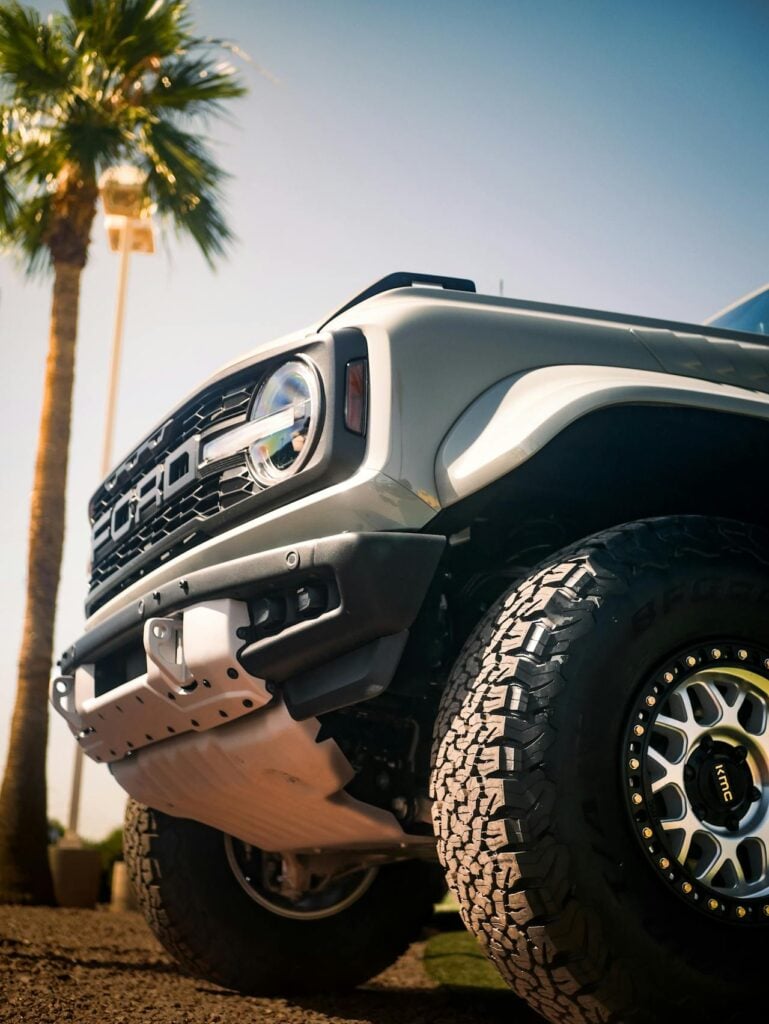
1. Steel bumpers and bull bars that stick out, have sharp edges, or alter your car’s design are NOT allowed on public roads.
Why?
- UN-ECE guidelines say front parts of vehicles must be deformable to protect pedestrians.
- Rigid metal bumpers or bull bars increase injury during collisions.
- They may count as extended overhang, which is banned.
- They may count as reconfiguration of body design, also banned.
- They may block headlights or indicators.
2. Bull bars designed only for off-roading cannot be used on highways.
The LTO says:
- If you install off-road bumpers, light bars, snorkels, or similar accessories, you must keep the vehicle off public roads.
- These modifications change how the vehicle behaves at regular road speeds.
3. Simple, aesthetic exterior trimmings that don’t change the car’s design are allowed.
Some examples of external modifications allowed by LTO include:
- Plastic trims
- OEM-style bumper lips
- Non-protruding accessories
As long as the original structure isn’t changed, these are generally okay.
Illegal Modifications You Must Avoid
These are banned under Section 5.2 of Department Order 2010-32:
- Axle modification
- Chassis modification
- Extended chassis or body
- Additional sidings of dump trucks
- Extended overhang
- Change of rim size
- Modification of handle bar and muffler
- Reconfiguration of body dimensions and design
Note: Modified bumpers and bull bars typically fall under extended overhang or recon infiguration of body design, which is why most setups become illegal.
Why the LTO is Strict
The LTO is not “randomly” targeting modified cars. They are following the UN-ECE safety framework to protect:
- Pedestrians
- Other motorists
- You, the driver
Many steel bumpers and bull bars are hard, rigid, and extend far beyond factory measurements. In an accident, they hit harder, higher, and flatter than standard bumpers. This increases injuries significantly. The LTO also reminds drivers that modifications that increase risk or environmental harm can’t be used on public roads.
What You Can Still Do Legally
If you still want to keep your bumper or bull bar, you have two legal paths:
1. Secure a Certificate of Road Safety from your manufacturer
This proves the modification:
- Does not weaken your car’s structure
- Does not affect crash safety
- Maintains the approved design parameters
Without this, the mod counts as illegal.
2. Use off-road bumpers only for off-roading
LTO Director Francis Almora explains:
“Modifying it as an off-road vehicle is OK, provided you ask for a permit and use it for the purpose you have modified it for. Do it off-road, not on a daily basis.”
What to Do If You Already Have a Modified Bumper or Bull Bar
Here’s a list of things you can do if you already have a modified bumper or bull bar:
- Check if your bumper protrudes too far or has rigid, sharp edges
- Review if it alters your car’s original shape
- Visit your manufacturer or dealer and ask if they issue a Certificate of Road Safety
- If the modification is intended for off-road use, apply for a modification permit
- If the LTO requires it, remove the illegal parts during inspection
When in doubt, pick safety first. A good ride doesn’t need to be dangerous to stand out.