
Yes—roof racks and roof tents are legal in the Philippines. But because you’ll be driving on public roads, the Land Transportation Office (LTO) has rules and limits that you will need to follow so your setup stays safe and compliant, especially if you are using aftermarket roof racks.
This guide explains those rules so you know exactly what to do if you intend to use roof racks and tents—regardless if you’re a first-time car owner or a seasoned adventurer.
What Are Roof Racks and Roof Tents?
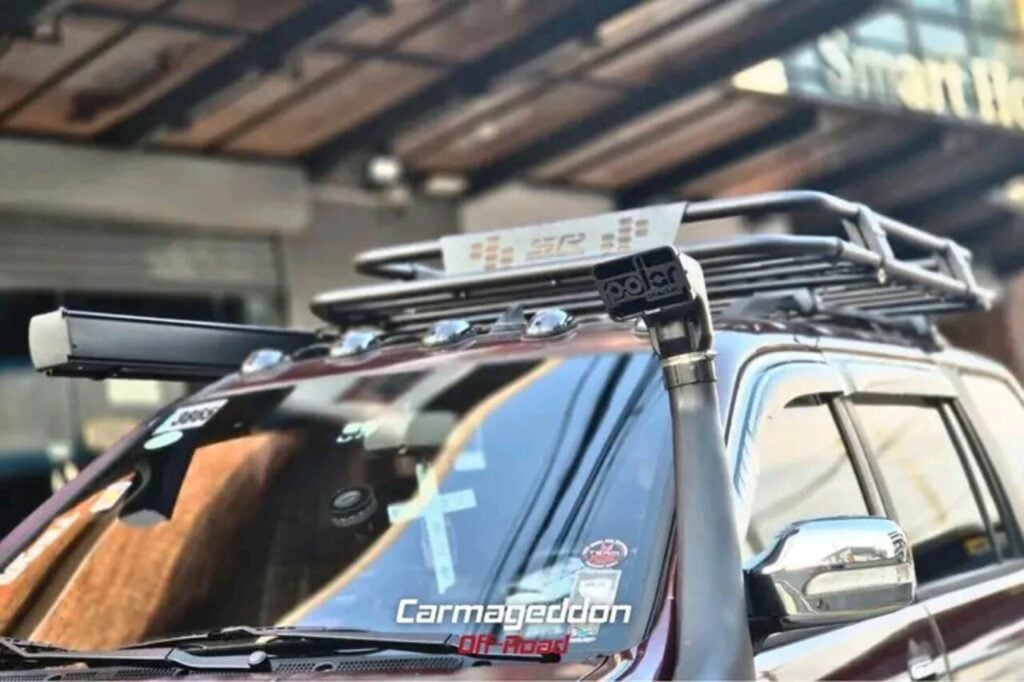
Roof racks are sturdy metal bars mounted on top of a vehicle to help carry big or bulky items that can’t fit inside the cabin. Roof tents, on the other hand, refer to the foldable camping tents designed to sit securely on top of a roof rack, giving travelers a safe and elevated sleeping space. Both are used to add extra room for gear, make trips more comfortable, and support outdoor activities like biking, camping, and surfing.
They also offer the following benefits:
- Lets you carry large items like bikes, surfboards, kayaks, luggage, or camping gear
- Frees up space inside the car for passengers
- Helps protect the interior from dirt, odors, and damage
- Allows you to bring a rooftop tent for camping without needing ground space
- Provides better organization during long trips
So, Are Roof Racks Legal?
Yes. But aftermarket roof racks must be registered with the LTO because they add weight and change the vehicle’s configuration.
Here’s a detailed guide for you:
- Registration required: Any roof rack that is not part of the vehicle’s original design must be registered as a Top Load Accessory.
- Where to register: At any LTO office or satellite branch, usually during your annual vehicle registration.
- Cost: Around ₱100–₱200 for the Top Load Permit.
- No registration needed for:
- Roof rails that come standard with the vehicle (e.g., Toyota Fortuner).
- Temporary or detachable bike racks used only on weekends and removed afterwards.
- Why it’s required: Adding weight on the roof changes the vehicle’s handling and height, especially when loaded.
Are Roof Tents Legal?
Yes. You can use a roof tent on public roads as long as the roof rack it sits on is properly registered.
Make sure to take note of the following:
- The tent itself doesn’t need registration. It is considered “cargo.”
- What matters is the rack. Your roof rack must have a Top Load Permit.
- Weight rules: Follow your vehicle manufacturer’s and rack manufacturer’s load ratings.
- Installation: The tent must be tightly secured and stable before driving.
Risks and Dangers
Using roof racks and tents also come with risks and dangers, hence the need for LTO regulation. Some of these risks are as follows:
- Too much weight on the roof can affect handling, braking, and stability
- Improper installation may cause the rack or tent to detach while driving
- Roof-mounted cargo increases wind drag, reducing fuel efficiency
- Added height may trigger higher toll classifications or hit low clearances
- Noise, vibration, and roof scratches can occur with some rack designs
LTO Rules You Must Follow
In case you really need roof racks and/or roof tents, make sure to keep these in mind:
Top Load Permit
- Required for aftermarket roof racks.
- Fee is around ₱100–₱200.
- Records changes in your vehicle’s weight configuration.
Weight Limit
- Maximum of 20 kg per square meter on your roof rack.
- Overloading can affect your vehicle’s balance and braking.
Safety and Dimensions
- Cargo must be secured firmly.
- Nothing should block the driver’s view or stick out dangerously.
- Secure all cargo using proper straps or mount systems.
Maintenance
- Follow weight limits and check your vehicle’s roof load rating.
- Remove temporary racks when not in use to avoid noise, drag, and unnecessary attention at expressways.
Why Some Cars Get Charged Higher Tolls
Some expressways classify vehicles as Class 2 if sensors detect a height above 7 feet—including items mounted on roof racks like bikes or cargo boxes, causing confusion for many riders and weekend bikers.
Skyway has addressed this by:
- Keeping Class 1 rates for vehicles with bike racks or boxes.
- Tellers taking photos of affected vehicles to balance the system later.
However, other expressways (like portions managed by MATES) still rely on automatic height sensors. This may explain why you get Class 1 going south, then Class 2 going north. This is a system limitation—not a penalty for using roof racks.
If you travel often or love outdoor adventures, using a roof rack or roof tent can make your trips easier and more fun. Just follow the LTO rules, keep safety in mind, and you’re good to go on any Philippine road.