
To this question, the answer is yes. Big bikes are allowed on expressways as long as they have an engine displacement of 400cc or above. This is based on long-standing policy under the Limited Access Facility Act (Republic Act No. 2000) and expressway operator rules. Riders often feel confused or frustrated because many smaller motorcycles can reach highway speeds, but the rule remains centered on engine size, not speed capability.
This guide explains the rule in simple terms, why the rule exists, what bikes qualify, and what you need to do before entering the toll gates.
Riding on the Expressways
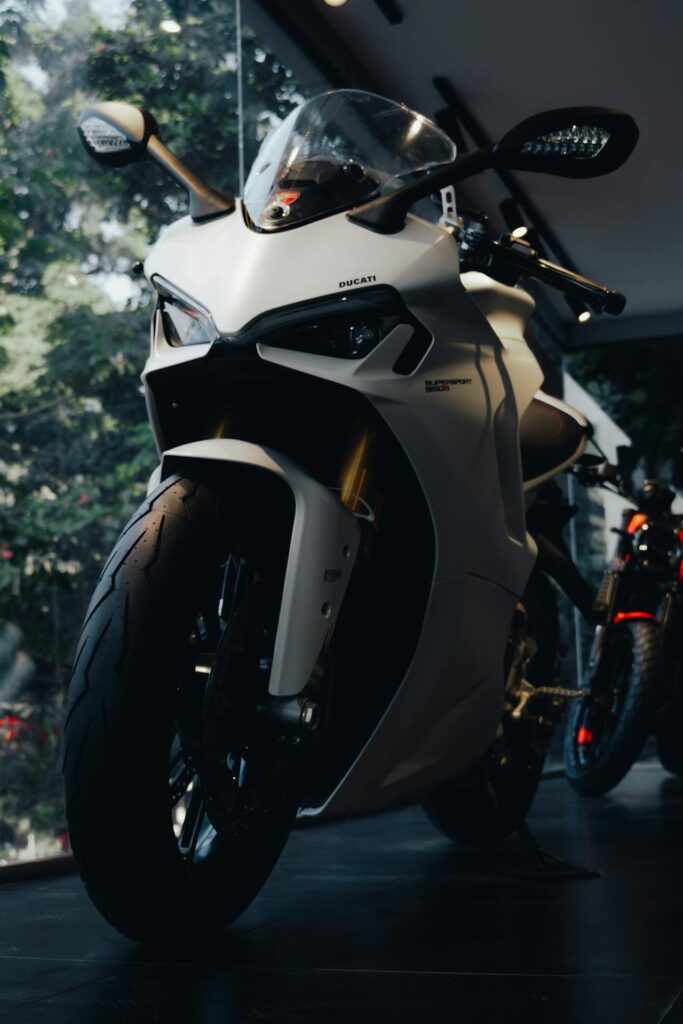
Expressways are high-speed, controlled-access roads designed for faster travel, and only “big bikes” are legally allowed to use them under the Toll Regulatory Board (TRB) and Department of Public Works and Highways (DPWH) rules. These roads generally offer smoother roads, shorter travel times, safer traffic flow, and a more convenient long-distance riding experience for riders. However, there is a limit to the type of vehicles that can be used on expressways and penalties apply in cases of violations based on TRB regulations, expressway operator policies, and the LTO’s implementation of engine-displacement requirements.
Who Can Use Expressways?
Aside from cars, motorcycles are only allowed on expressways if it meets all of the following conditions:
- 400cc engine displacement or higher (based on OR/CR, not decals)
- Proper motorcycle registration
- Rider must wear a standard helmet
- Only one back rider is allowed
- Follow the expressway speed limits (usually 60 to 100 kph)
Why Only 400cc and Up?
Many riders argue that 150cc–300cc motorcycles can reach 90–100 kph, which matches expressway speed limits. But the current rules still follow the 400cc minimum due to:
- Safety standards set when expressways were first built
- Stability requirements at higher speeds
- Enforcement simplicity (engine size is easy to verify on the OR/CR)
- Restrictions applying to all small vehicles like tricycles and bicycles
Expressway operators rely on the displacement shown in your OR/CR—not the speed your bike can reach.
Aside from this, riding motorcycles on expressways comes with higher speeds, stronger wind forces, and limited reaction time, making mistakes more dangerous than on regular roads. These risks are significantly reduced with big bikes because their larger engines, heavier frames, and better braking systems are built for stability and control at expressway speeds.
Some of the reasons why only big bikes are allowed in expressways are as follows:
- Heavier, more stable build designed for high-speed travel.
- More powerful engines reduce strain and prevent wobbling.
- Superior braking systems provide better stopping power at speed.
- Larger tires improve traction, grip, and balance.
- Advanced suspension systems help absorb expressway imperfections.
- Better aerodynamics reduce wind buffeting.
What Riders Must Know
To ensure that you won’t face any risk of violating rules related to using expressways, here are some things you need to remember:
- Motorcycles below 400cc cannot enter expressways.
- Big bikes may share car lanes, especially with updated MMDA guidelines.
- Lane splitting is not banned, but riders must still follow safe riding behavior.
- Expressway toll booths prefer RFID tags for fast and smooth entry.
- Get an RFID to avoid delays.
- If there’s a queue, line up properly—don’t cut between cars unless waved through.
- Be polite to toll booth staff, especially if your RFID fails or you must pay cash.
What You Should Do Next
If you are a rider and you want to ride on the expressway, you need to:
- Check your OR/CR – it must state 400cc+.
- Get an RFID for smoother toll entry.
- Prepare proper gear, especially a certified helmet.
- Know the speed limits and stay within 60–100 kph.
- Choose a bike within your budget—there are many affordable options.