
If your vehicle has ever been involved in a crime, then the answer is no — you cannot re-register a vehicle used in illegal activities under your name unless a court allows it after proper legal proceedings. However, there are special cases where the government may re-register the vehicle after forfeiture or disposal, especially if ownership is transferred legally through a court order.
This article explains how the Land Transportation Office (LTO) handles vehicles used in crimes, what happens to confiscated units, and how owners can reclaim them after a case is dismissed.
Can You Re-register a Vehicle Used in a Crime?
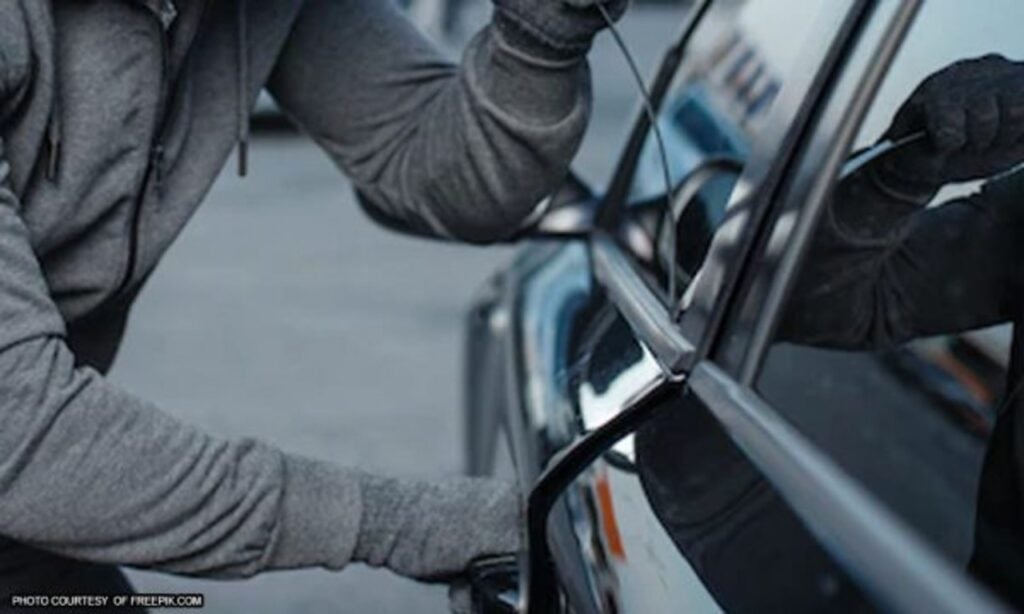
If a vehicle is used in the commission of a crime, it becomes part of the evidence and is subject to impoundment and possible forfeiture. The LTO will not allow its registration or renewal until all legal issues are settled.
For the Original Owner:
- The vehicle’s registration may be suspended depending on the offense.
- It cannot be re-registered while it is considered evidence in an ongoing case.
- If it has been confiscated and later returned, it must pass an LTO inspection before being allowed on the road again.
- The LTO will only allow registration once the court has cleared the vehicle and confirmed it is no longer part of a criminal case.
For a New Owner:
- A vehicle that was used in illegal activities cannot be transferred or re-registered under a new name if the previous owner was convicted in connection with the crime.
- Always check the vehicle’s legal status before buying it to avoid unknowingly purchasing a vehicle linked to criminal activity.
- Buying such a vehicle without due diligence may make you legally liable or prevent registration altogether.
What the Law Says
According to Rule 126 and Rule 127 of the Revised Rules of Criminal Procedure, any vehicle seized as evidence remains under government custody until the case is resolved. If the case is dismissed and the court finds no reason for forfeiture, the vehicle may be returned to its lawful owner.
Under Republic Act No. 11235 (Motorcycle Crime Prevention Act):
- Motorcycles used in crimes are impounded by the PNP and kept in a secure impounding center until the case ends.
- Once the court finds the defendant not guilty or the motorcycle belongs to an innocent third party, it can be released.
- Otherwise, it will be forfeited in favor of the government and can only be registered again under a government entity or through a legal sale following a court order.
If the vehicle was used in serious offenses (like those resulting in injury or death), the penalties under the Revised Penal Code can range from reclusion temporal (12 to 20 years imprisonment) to reclusion perpetua (life imprisonment), and the vehicle will be forfeited permanently.
When Can it Be Re-Registered?
The LTO may accept registration of confiscated vehicles used in the commission of a crime only if:
- A court decision authorizes it.
- The government agency in charge of the vehicle (e.g., PNP, DENR, NBI) submits all required documents.
Once forfeited:
- The vehicle can be registered under the government’s name.
- Later, it may be sold legally to a private buyer, who must comply with all LTO and court requirements before re-registration.
Note: For vehicles allegedly used in the commission of a crime where the case dismissal is not final or an appeal is still pending, the court may refuse to release the vehicle back to the original owner until proceedings are fully concluded.
Simply put, a vehicle used in illegal activities cannot be freely re-registered by its owner or a new buyer until cleared or forfeited through lawful court processes. That said, if you are looking to buy a secondhand motor vehicle, it’s best to always deal with clean, legally registered vehicles to avoid serious legal trouble.