
Yes — you can legally use a wide-body kit in the Philippines, but only if the modification is safe, does not change the vehicle’s chassis or structural design, and is properly declared to the Land Transportation Office (LTO). Wide-body kits that only add exterior trimmings are generally allowed, but kits that alter the body dimensions or require cutting into the chassis are not allowed under LTO rules. This means you can enjoy a wider, sportier look as long as the modification stays within safety, LTO policy, and roadworthiness requirements. If the kit changes the original dimensions, you must go through the LTO inspection and registration update process.
Many car owners feel confused because online opinions vary, but the LTO’s rules are clear once simplified. Here’s a detailed guide to help you avoid penalties, protect your insurance, and keep your car road legal even with the mods.
What Are Wide Body Kits
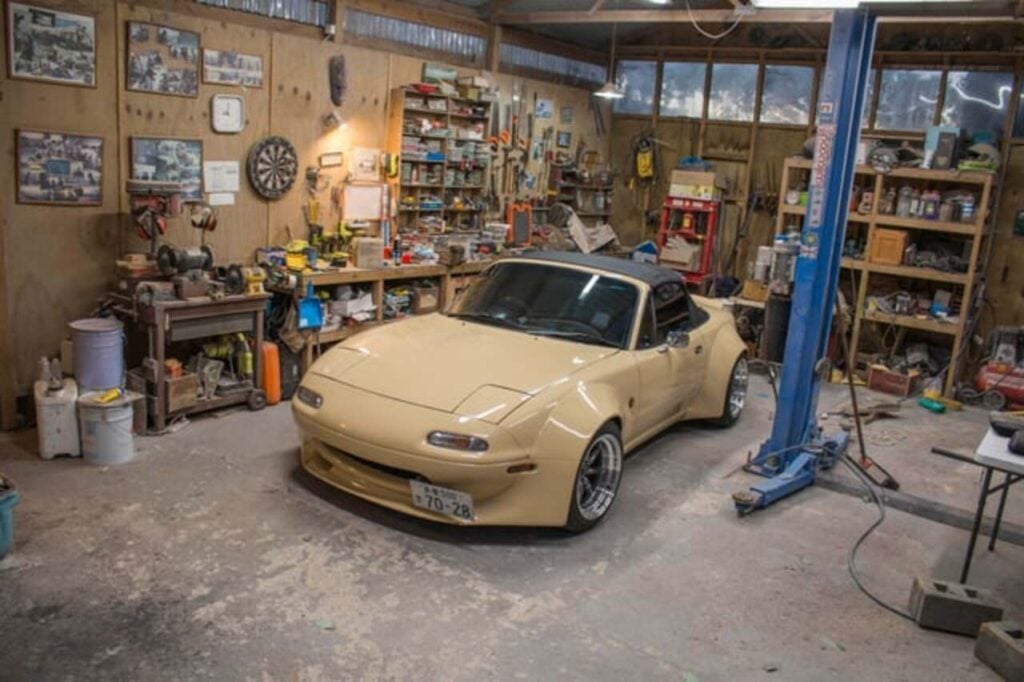
A wide-body kit is an exterior modification that makes a vehicle wider by adding extended fenders, bumpers, side skirts, and other custom body panels. It’s popular among car enthusiasts who want a more aggressive look and improved performance, but it also comes with practical considerations and risks.
Why Car Owners Use Wide Body Kits
Some of the benefits associated with using wide body kits include:
- Gives the car a bold, race-inspired sporty aesthetic.
- Wider wheels improve traction, handling, and cornering stability.
- Some kits include aerodynamic enhancements that reduce drag and increase downforce.
- Enhances uniqueness; great for car shows, builds, and personal branding.
- Better stance and wider look
- Improved tire clearance
- Can improve stability when properly installed
Risks and Downsides
Using wide body kits also comes with the following risks and downsides, hence the regulation:
- Illegal if it alters chassis or body dimensions
- Insurance may reject claims if you did not declare the modification
- Extreme overhangs may be flagged by authorities
- High-quality kits and professional fitting can be costly.
- May require cutting stock fenders which is irreversible and can reduce resale value.
- If the width exceeds allowable limits or affects safety, it can violate local vehicle modification laws.
- Some kits add weight, slightly affecting performance.
- Incorrect installation can cause tire rubbing, clearance issues, and damages.
What the LTO Says
When it comes to mods such as those involving the use of wide body kits, the LTO follows Department Order 2010-32, based on UN-ECE safety standards.
Under this DO these items are banned because they can affect safety:
- Axle modification
- Chassis modification
- Extended chassis or extended body
- Extended overhang
- Reconfiguration of body dimension and design
- Change of rim size
- Modification of handlebars or mufflers
Wide-body kits are tricky because:
- Some kits are purely cosmetic, so these are usually fine.
- But kits that require cutting metal, widening the chassis, or changing body dimensions fall under “reconfiguration of body dimension and design,” which is prohibited unless the manufacturer issues a Certificate of Road Safety.
This means:
- Bolt-on wide-body kits are usually allowed
- Wide-body kits that change dimensions are usually not allowed
- Any modification requiring cutting chassis or altering structure are absolutely prohibited
So if your goal is to simply enjoy a cleaner, wider look without the hassle, it’s best to stick to exterior-only kits and follow the LTO registration process. This keeps your car safe, stylish, and road legal.