
Buying a repossessed vehicle can be a great way to own a car at a lower price — but it also comes with extra steps and responsibilities. Before making any payment or signing documents, it’s important to verify that the car you’re buying is legitimate, in good condition, and free from legal or financial issues. Verifying a repossessed vehicle ensures that the vehicle is not stolen, tampered with, or tied to any unsettled loans or legal issues.
Here’s a complete, easy-to-follow guide to help you verify a repossessed vehicle before buying it in the Philippines.
Verifying a Repossessed Vehicle
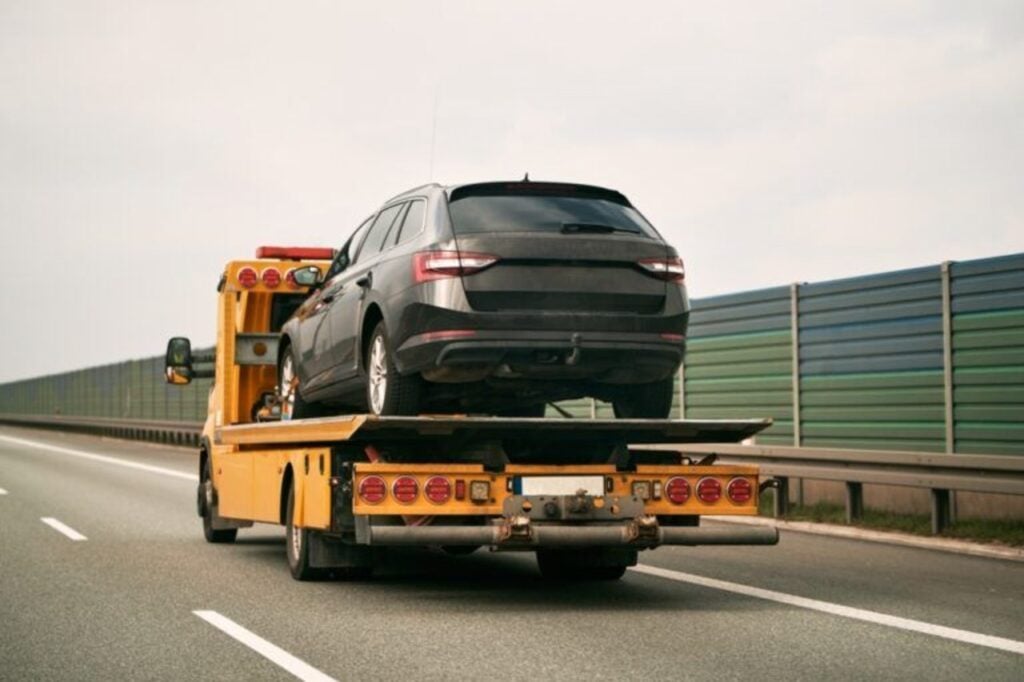
Verifying a repossessed vehicle refers to the process of checking a car’s authenticity, legality, and overall condition before buying it. It is a necessary part of buying a secondhand vehicle as it protects buyers from scams, hidden defects, and future ownership problems, especially when purchasing from banks or online marketplaces.
Benefits
Some of the best reasons why you should verify a repossessed vehicle before buying:
- To ensure legal ownership: Confirms the car is not stolen or involved in any criminal activity.
- To avoid unpaid debts or liens: Make sure there are no remaining financial obligations tied to the vehicle.
- To confirm document authenticity: Prevents buying a car with fake or tampered registration papers.
- To check the vehicle’s true condition: Helps identify hidden mechanical issues or accident damage.
- To protect yourself from scams: Ensures you’re dealing with legitimate sellers or accredited institutions.
- To know if the price is fair: Verifying lets you compare its actual market value with the asking price.
- To make an informed purchase: Gives you confidence that your investment is safe, legal, and worth it.
How to Verify Repossessed Vehicles
To verify a repossessed vehicle before buying, here’s what you need to do:
Step 1: Check the Vehicle’s Legal and Registration Records
Before anything else, confirm that the vehicle is legally clear. Use the resources of the Land Transportation Office (LTO) and the Philippine National Police – Highway Patrol Group (PNP-HPG) to check the following:
- Registration status: Make sure the vehicle is properly registered under the seller’s name or the bank’s name if it’s repossessed.
- Engine and chassis numbers: The numbers on the car must match those in the official LTO registration documents.
- Outstanding violations or cases: Ask the LTO or PNP-HPG if the vehicle has been reported stolen, used in crimes, or has pending legal issues.
- Liens or unpaid loans: Obtain a vehicle history report or ask the selling bank to confirm that all debts tied to the car have been cleared.
Expert tip: Repossessed cars from trusted banks or verified marketplaces are usually debt-free, since the bank already settled any previous owner’s unpaid loan.
Step 2: Review All Paperwork Thoroughly
Go through every document before committing to a purchase. Look out for:
- Original Certificate of Registration (CR) and Official Receipt (OR): These confirm that the vehicle is legitimate and registered.
- Deed of Sale or transfer documents: This shows that the seller has the right to transfer ownership.
- Vehicle history or service records: Ask for receipts or a service booklet that shows maintenance, repairs, or insurance claims.
Note: If the details in the paperwork don’t match the car’s actual information, that’s a warning sign.
Step 3: Inspect the Car’s Physical and Mechanical Condition
A visual inspection isn’t enough. Repossessed vehicles are often sold “as is”, meaning no guarantees or returns. Bring a trusted mechanic to help you assess its condition.
Here’s what to check:
- Engine and fluids: Look at the engine oil, brake fluid, and power steering fluid. Foamy or milky oil could mean serious engine trouble.
- Exterior and interior: Check for rust, dents, repainting signs, or water damage.
- Tires and suspension: Inspect tire wear and suspension alignment.
- Electricals and battery: Try all switches, lights, and the air conditioning system.
- Accident or flood history: Ask for insurance or repair records to see if the car was previously damaged.
Note: If test drives aren’t allowed (common for repossessed units), request a third-party inspection from a licensed automotive expert.
Step 4: Verify the Seller’s Legitimacy
Avoid scams by making sure you’re dealing with an authorized seller.
- For bank-repossessed cars: Deal directly with the bank or its accredited partner.
- For private or online sellers: Request identification and ownership proof. Confirm that the name on the documents matches the seller.
- For brokers or agents: Check if they are accredited by the selling institution.
Note: Never pay in cash without official receipts or signed agreements.
Step 5: Compare Prices and Know the Market Value
Before bidding or buying, research the average market price for the same make and model. Use car marketplaces or listings to compare prices.
This helps you avoid overpaying and gives you leverage during negotiations or auctions. Remember, repossessed vehicles are typically 20–30% cheaper than brand-new cars — but pricing depends on mileage, age, and condition.
Step 6: Plan for Additional Costs
Aside from the car’s price, prepare for these extra expenses:
- Transfer fees and registration renewal
- Repair or detailing costs
- Comprehensive insurance
- Emission testing and inspection fees
Setting a realistic budget prevents overspending and gives you room for necessary maintenance.
Step 7: Buy Only from Trusted Platforms
To make the process smooth and transparent, go for reputable car marketplaces and banks that handle repossessed units professionally.
Video: Buying Used and Repossessed Cars
Verifying a repossessed vehicle before buying is not just about saving money — it’s about buying safely and smartly. Take your time to inspect, check, and confirm every detail. With careful research and the right guidance, you can find a reliable repossessed car that fits your budget and driving needs — without any hidden surprises. Watch this video to learn more: