
Refusing to surrender your driver’s license when an authorized officer asks for it creates bigger problems than the violation itself. The simple act of saying “no” adds new violations on top of your original case. In fact, the lawful process related to your violation continues with or without your cooperation, so refusing to hand over your license does nothing but aggravate the issue.
If you care about your best interest as a driver, then compliance is the best way to go. This guide will tell you why refusing is a violation and what steps you should take instead to avoid stress, wasted money, and a long losing battle with the Land Transportation Office (LTO).
Is It Illegal to Refuse to Surrender Your License?
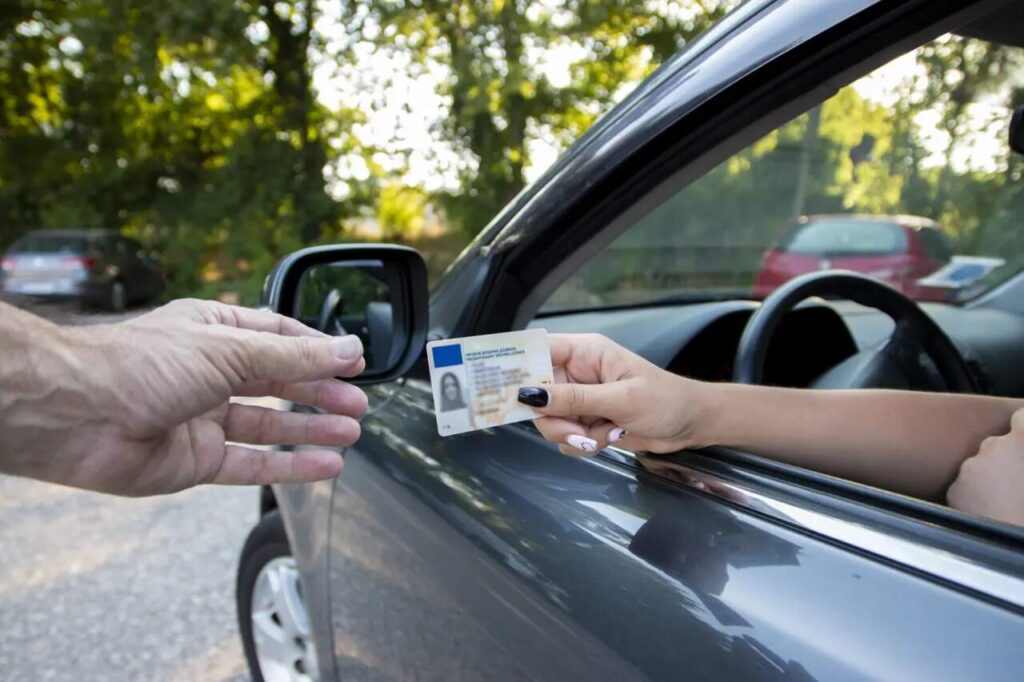
Yes. According to Republic Act No. 4136, if you are a driver, then you need to carry your license at all times. As drivers, you are expected to show or surrender your license when someone with proper authority asks for it. LTO-deputized law enforcement officers and peace officers are the only ones allowed to demand or confiscate a license.
Even if you’re using an electronic driver’s license (eDL), you still need to show it when asked. However, you need to be able to show it through the LTMS portal on your device. If you refuse to show it the proper way, the law treats it as failure to carry a driver’s license. Officers are also expected to indicate whether you used a physical license or an eDL in your TOP/eTOP.
What Happens If You Refuse to Surrender Your License?
Refusing brings a chain of consequences such as:
1. Extra Violations and New Penalties
You may be charged with:
- Failure to carry a driver’s license
- Failing to surrender a suspended or revoked license
- Disobeying a lawful order
These come with separate fines apart from your original violation.
2. Confiscation of Your License
Under Section 29 of RA 4136, LTO-authorized officers can confiscate your license if they catch you violating traffic laws. They will issue a Temporary Operator’s Permit (TOP or e-TOP) that lets you drive for up to 72 hours only.
3. Longer Suspension or Even Revocation
Refusing to surrender your license when it’s already suspended or revoked can lead to:
- Extended suspension
- Permanent revocation
- Longer disqualification from applying for a new license
The refusal is recorded in your driving history, which makes reinstatement harder later.
4. Vehicle Impoundment
If you continue driving while your license is supposedly suspended, officers may:
- Impound your vehicle
- Add more charges
- Delay your case even further
5. Arrest and Criminal Charges
Not following a lawful order from an authorized officer may result in:
- On-the-spot arrest
- Criminal charges depending on the situation
6. More Trouble If You Don’t Settle Your Case
If you don’t settle your violation within 15 days from the apprehension date, your license may be suspended or revoked even if you refused to surrender it.
What If You Drive Even After a Suspension or Revocation?
Suspension and revocation take effect whether you physically hand over the card or not. Continuing to drive is a major offense and may even lead to:
- Jail time
- Impoundment
- Permanent revocation
What You Should Do If an Officer Asks for Your License
Here’s the smart way to avoid more issues:
- Stay calm and cooperate with the officer.
- Give your physical license, or open your LTMS portal and show your eDL properly.
- Ask politely what violation you are being cited for.
- Accept the TOP/eTOP and settle your case within 15 days.
- If your license is suspended or revoked, follow the official process to clear your case instead of resisting.
Remember: Refusing to surrender your license creates bigger problems than the violation itself. The process continues and you’ll just be slapped with even more violations if you resist.