
Importing and converting a used foreign truck or bus for use in the Philippines requires meeting local roadworthiness, safety, and environmental standards by submitting various requirements to prove that the imported vehicles are safe to operate, compatible with Philippine road conditions, and compliant with emissions and structural regulations. The Land Transportation Office (LTO), the Department of Trade and Industry (DTI), and the Bureau of Customs (BOC) all enforce strict rules covered under the Republic Act 4136 (Land Transportation and Traffic Code) and the Clean Air Act (RA 8749) to prevent unsafe or substandard vehicles from entering the country. The LTO and the Department of Transportation (DOTr) also have administrative orders that regulate vehicle importation, modification, and registration.
If you’re an operator, buyer, or business owner, this process is explained in a simple way—including what you need, who to talk to, and what to expect. Whether you’re a first-time importer or upgrading your fleet, here’s what you need to do things properly.
Converting Foreign Trucks or Buses
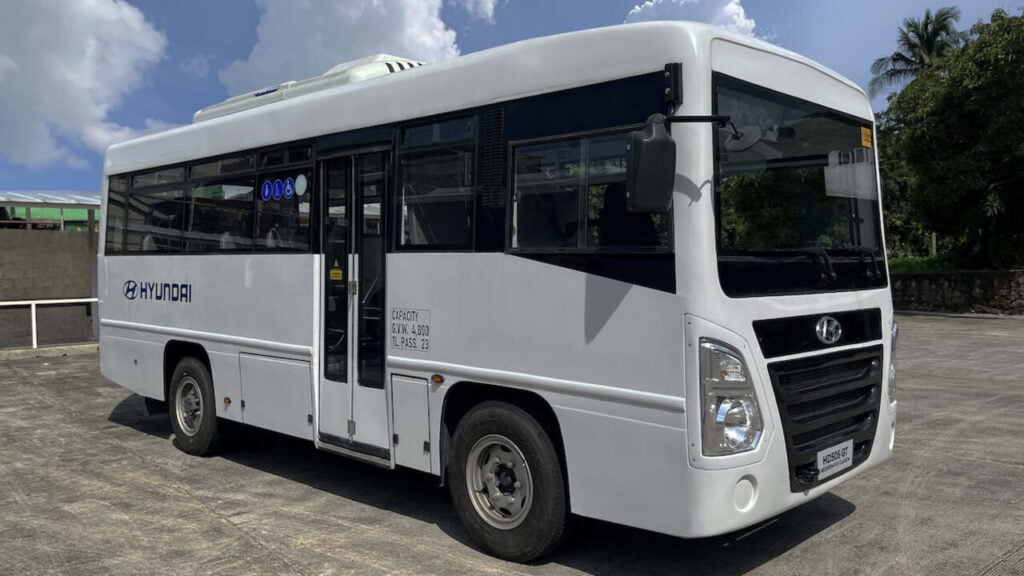
Converting foreign trucks or buses means modifying imported second-hand vehicles so they meet local standards for safety, roadworthiness, size, and configuration. It is quite common as imported units are much cheaper and more durable, plus, some kinds come with features that are not available locally. But before foreign trucks or buses can be used in the country, they must be adjusted to fit local laws, driving conditions, and right-hand-drive to left-hand-drive requirements. Conversion is also necessary so the vehicle can be registered, legally used on public roads, and operated safely without risking penalties or impoundment. When done properly, it gives owners access to reliable heavy vehicles at a lower cost, provided they follow strict guidelines on documentation, inspection, and approved modification processes.
General Rules
Here are some of the very basic conditions before any conversion or registration of foreign trucks or buses can be done:
- You must get a Certificate of Authority to Import (CAI) from the DTI Fair Trade Enforcement Bureau (FTEB) before the unit is shipped.
- Only left-hand drive (LHD) units are allowed.
- RHD units are not allowed unless they are special off-road vehicles or RHD buses with complete and approved conversion kits.
- Vehicles must pass roadworthiness and emission standards in the country of origin.
- Imported trucks and buses must be registered directly with the LTO Central Office in Quezon City.
- Trucks must have GVW of 2.5 tons or more.
- Buses must have a GVW of 6 tons or more.
- Modifications that affect safety or emissions are not allowed.
Requirements for Import Authorization (DTI)
These documents are needed when applying for the CAI:
- DTI-FTEB application form with Affidavit of Undertaking
- Pro-forma invoice (original + photocopy)
- Certificate of Roadworthiness and Emission Compliance (CREC), authenticated or apostilled
- Business registration (DTI/SEC), if applicable
- Packing list
- Bill of Lading
- Commercial invoice
Requirements for Customs Clearance (BOC)
To clear your unit with the BOC, prepare:
- Import Entry and Internal Revenue Declaration
- Certificate of Payment (CP) showing duties and taxes are paid
- Clean Report of Findings (CRF) from pre-shipment inspection (e.g., SGS)
- Certificate of Cancellation of Registration from origin country with English translation
Requirements for LTO Registration
Once cleared by customs, submit these to the LTO Central Office:
- Copy of the BOC Certificate of Payment
- Certificate of Stock Reported (CSR)
- Sales Invoice with evaluation
- PNP-HPG clearance
- Motor Vehicle Inspection Report (MVIR)
- TPL insurance
- Taxpayer Identification Number (TIN)
- Certificate of Public Convenience (CPC) from LTFRB (for “For Hire” units)
Buses must also display clear markings:
- “For Passenger Bus Transport Use Only” for PUB units
- “For Private Use Only” for private buses
For imported trucks or buses to be inspected, registered, and legally used on public roads. Failure to do so can cause trouble as the LTO can deny registration, issue penalties, or even impound the vehicle until full compliance is met.