
Yes, seatbelt extenders are generally legal in the Philippines—but only if they meet safety standards and do not compromise the original seatbelt system. Under the Seat Belts Use Act of 1999 (Republic Act No. 8750), the law focuses on one main rule: all required seatbelts must be installed, working properly, and worn correctly. Seatbelt extenders are allowed when they help a passenger achieve proper fit, especially for larger-bodied individuals, as long as the extender functions like a normal seatbelt and keeps the locking mechanism intact.
However, not all seatbelt extenders are treated the same by the LTO. There is no separate law that clearly “approves” or “bans” extenders. Instead, legality depends on compliance with LTO, DTI, and Bureau of Product Standards (BPS) requirements. Uncertified, improvised, or poorly made extenders—especially common online—can lead to fines because they may be viewed as failure to wear the prescribed seatbelt.
What the Seatbelt Law (RA 8750) Says
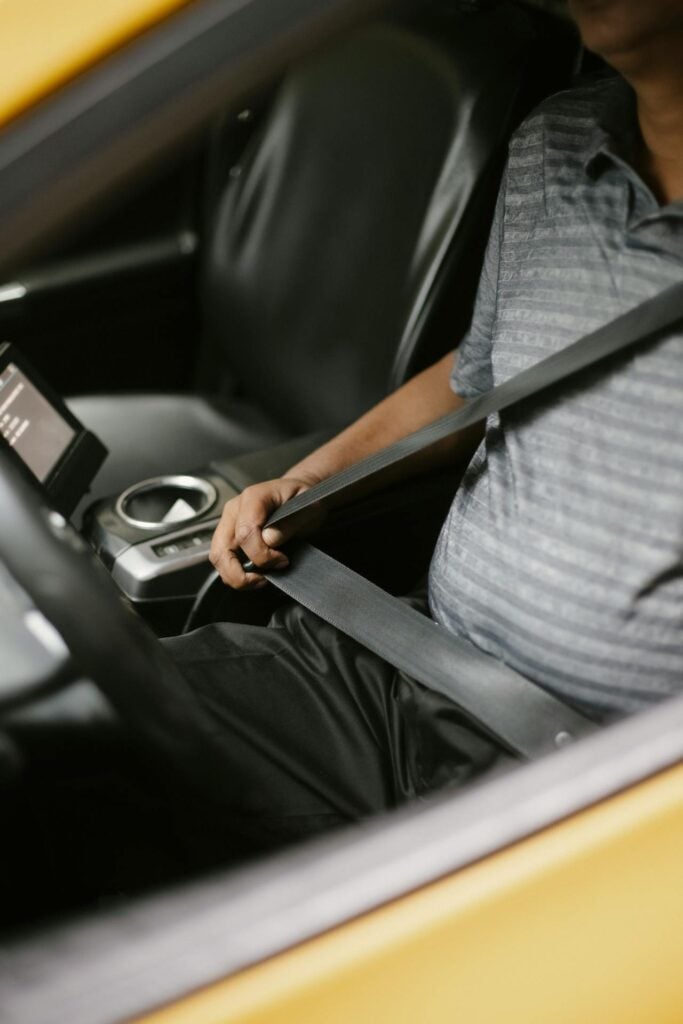
The provisions of RA 8750 says that:
- The Seat Belts Use Act of 1999 (RA 8750) requires all applicable drivers and passengers to wear seatbelts.
- Vehicles must have installed and functional seatbelt devices that meet DTI/BPS standards.
- Seatbelts are a condition for vehicle registration and renewal with the LTO.
- The law focuses on proper fit and function, not just the presence of a belt.
When Seatbelt Extenders Are Considered Acceptable
Not all seatbelt extenders are legal and acceptable. The LTO generally looks at safety, standards, and proper use of seatbelts. Seatbelt extenders are generally acceptable when:
- Used to help passengers who cannot properly fit standard seatbelts.
- The extender locks securely into the original buckle.
- The belt still restrains the body correctly during sudden stops.
- The extender does not alter or damage the original seatbelt system.
- Preferably OEM-approved or compliant with automotive safety standards.
When Seatbelt Extenders Become a Problem
Seatbelt extenders are not illegal by default, but in some cases, it can lead to fines and failed inspections.
- Using non-certified or “universal” extenders sold online without DTI/BPS approval.
- Improvised extenders that weaken the locking mechanism.
- Devices that prevent the belt from tightening or functioning normally.
- Using extenders as a way to bypass wearing a seatbelt.
Note: Penalties for failing to wear the prescribed seatbelt can start at ₱1,000, with higher fines and license suspension for repeat offenses.
OEM vs Aftermarket Extenders
- OEM extenders (from Toyota, Honda, etc., made for your car model) are usually recognized as part of the vehicle’s safety system.
- Aftermarket extenders are risky unless they are certified by DTI/BPS.
- LTO inspections often favor manufacturer-issued components.
Medical and Physical Exemptions
Seatbelt use may not be strictly observed in the following situations:
- RA 8750 allows exemptions for passengers with physically disabling ailments.
- A medical certificate from a licensed physician is required.
- This document should be presented during LTO inspections or traffic stops.
Important Reminders
To ensure that you avoid trouble with the law when it comes tk using seatbelts and seatbelt extenders, take note of the following:
- Seatbelt extenders must never be used for Child Restraint Systems (CRS).
- Under RA 11229, child car seats must be attached directly to:
- The vehicle’s original seatbelt, or
- ISOFIX anchor points
- Extenders are not allowed for securing children.
- Avoid cheap “universal” seatbelt extenders.
- Contact your car dealership for an OEM-approved extender.
- Check if the extender locks and retracts properly.
- Keep proof of purchase or certification if available.
- If medically required, carry a doctor’s certificate.
- Be ready to explain that the extender is used for proper fit—not to avoid the law.
When in doubt, stick with OEM parts or documented medical exemptions to stay on the safe side.