
If you ride an electric bike (e-bike) or electric tricycle (e-trike) and are wondering if you need an LTO driver’s license, the answer is yes, but not at all times. The rules have changed recently — so in most cases, e-bike riders now need an LTO driver’s license and vehicle registration, especially if they use public roads or highways.
If you use an e-bike for errands, school service, or short trips, MMDA’s 2024 rules and the LTO’s Administrative Order No. 2021-039 details everything you need to know about this matter. It comes complete with information on what happens if you break the rules, so it’s important to know what’s now allowed and what isn’t. Here’s a simplified guide for you.
Do Low-Speed Electric Bikes Need a Driver’s License?
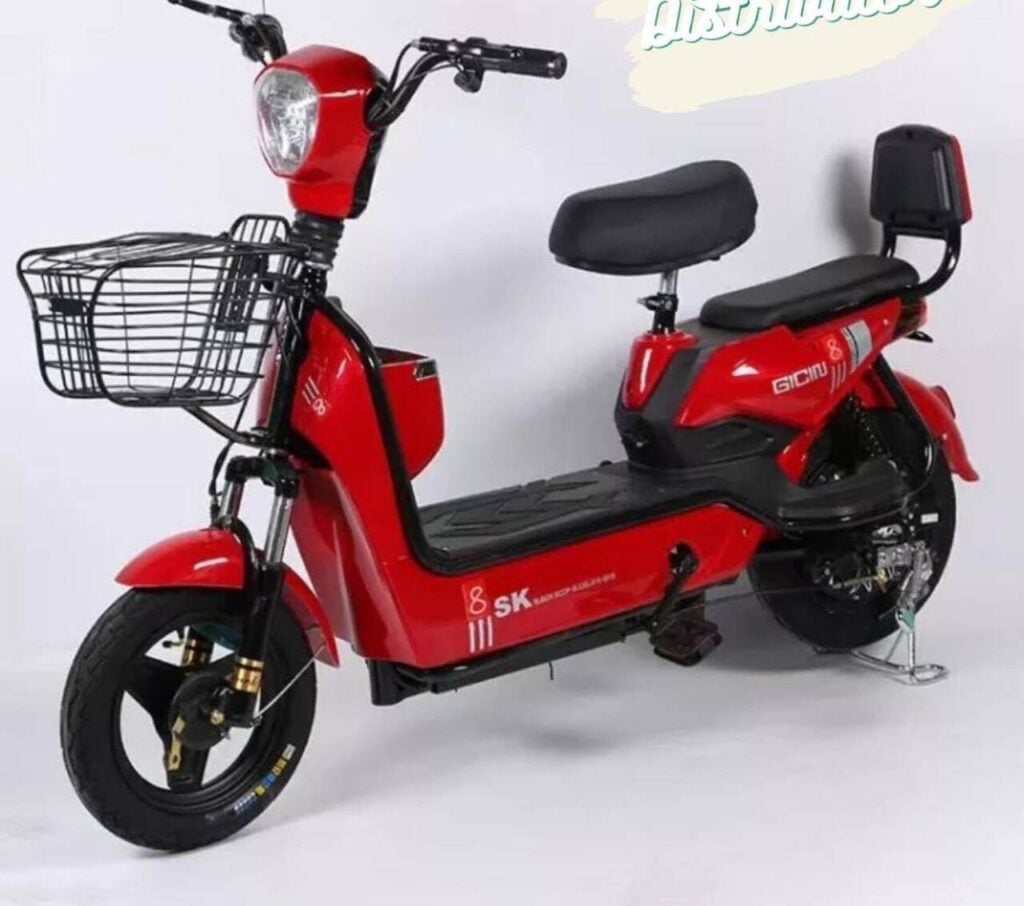
Before 2024, low-speed e-bikes (those running 25–50 km/h) didn’t need a license. But starting April 2024, the MMDA and LTO now require registration and a valid driver’s license for all electric vehicles driven on public roads, including most e-bikes and e-trikes. This means that if your e-bike is slow (25 km/h or less) and used only inside barangays, no license is needed. But if you ride on public roads or your e-bike is faster than that, you must have an LTO driver’s license and registration.
If you’re caught without one, you can be fined up to ₱2,500, and your e-bike can be impounded.
Roads Where E-Bikes Are Not Allowed
Under MMDA Regulation No. 24-002, Series of 2024, the following roads in Metro Manila are off-limits to e-bikes, e-trikes, and similar vehicles:
- EDSA
- Roxas Boulevard
- Taft Avenue
- Quezon Avenue / Commonwealth Avenue
- Shaw Boulevard
- Katipunan Avenue
- Ortigas Avenue
- España Boulevard
- Marcos Highway
- Mindanao Avenue
- Araneta Avenue
- Magsaysay / Aurora Boulevard
- Boni Avenue
- Elliptical Road
- Rizal Avenue
- South Super Highway (Osmeña Highway)
- Del Pan / McArthur Highway
- Recto Avenue
- Pres. Quirino Avenue
- Other national and circumferential roads as determined by MMDA
Note: You may only cross these roads to reach the other side — not drive along them.
Which e-Bikes Need a License?
According to LTO Administrative Order No. 2021-039, e-bikes are grouped by category:
- L1a and L2a (Top speed: 25 km/h or lower)
- Can be used on barangay or private roads.
- May cross main roads but must yield to traffic.
- Driver’s license and registration are not required.
- L1b and L2b (Top speed: 26–50 km/h)
- Can be used on local roads (outer lanes only).
- May cross main roads.
- Driver’s license and registration are required.
- L3, L4, L5 (E-motorcycles, e-trikes, three-wheelers)
- Can go beyond barangay roads.
- Must have LTO registration and appropriate license type (usually Non-Professional).
So, if your e-bike or e-trike can go faster than 25 km/h, or you use it on public roads, you must have:
- A valid LTO driver’s license
- Registered e-vehicle with OR/CR
- Helmet and insurance
Penalties for Violations
If you don’t follow these new rules, you may face:
- ₱2,500 fine for driving without a license
- Vehicle impoundment if you have no registration
- ₱1,000 fine for driving on restricted roads
- ₱1,500 fine for not wearing a helmet
- ₱10,000 fine for unregistered vehicles
Where Can You Legally Ride Your E-Bike?
You can still use your low-speed e-bike in these areas:
- Barangay roads and private roads
- Bike lanes (for two-wheeled e-bikes only)
- Short crossings on main roads (must yield to other vehicles)
However:
- E-trikes (3-wheel) are not allowed on bike lanes.
- Public transport use (like using e-trikes as “for hire”) is not permitted unless authorized by the local government.
What You Can Do Now
If you own an e-bike or e-trike, it’s best to:
- Check your e-bike’s top speed.
- If it’s over 25 km/h, it needs registration and a license.
- Apply for an LTO driver’s license.
- You can start with a Student Permit, then upgrade to Non-Professional.
- Register your e-vehicle with the LTO.
- Bring your sales invoice, certificate of stock reported (CSR), PNP clearance, and insurance.
- Wear your helmet and carry your OR/CR at all times.
- Avoid national roads. Use barangay or inner roads instead.
Following these rules keeps you safe, avoids fines, and helps everyone share the road responsibly.