
There is no single official minimum ground clearance rule for private vehicles, but cars must follow their original manufacturer specifications and remain roadworthy under LTO guidelines. Though there is no mandatory standard for lowered vehicles, drivers are encouraged to keep at least 200mm of ground clearance to avoid scraping on tall humps, steep ramps, and rough roads common in many cities. For flood-prone areas, a higher clearance is recommended to safely pass through typical Metro Manila flood levels.
While you can lower or raise your vehicle as you please any modification must still be declared to the LTO and inspected to confirm that the car remains safe. Also, it is important to take note of ground clearance in real-world driving as roads can have tall humps, steep ramps, and sudden flooding. Having said that, local drivers and mechanics recommend a practical minimum of 200mm or higher if you want to avoid scraping, bottoming out, or getting stuck in floodwater. For lowered vehicles, the rule of thumb from experienced drivers is simple: your car must be high enough to clear the tallest hump on your daily route.
Ground Clearance Rules You Should Know
Even though there is no single nationwide minimum height for vehicles, there are official clearance rules for structures above the road. These are set by the DPWH (Department of Public Works and Highways) to allow safe passage of tall trucks and other vehicles.
DPWH Vertical Clearance Standards
- Bridges, flyovers, overhead structures: Not less than 4.88 meters, plus 0.15 m allowance for future road surfacing.
- Overhead utility and power lines crossing the roadway: Minimum 5.50 meters to the lowest point of cable sag.
- Pedestrian bridges:
- Clearance above the road must be 0.30 m higher than the 4.88 m standard.
- Inside the walkway itself, headroom must be at least 2.0 meters.
- Signs and protrusions over walkways: At least 2.20 meters clearance.
- Welcome arches and boundary markers: Minimum 5.33 meters from the road surface.
Note: These don’t dictate how high your car must be — but they show how Philippine road infrastructure is designed with tall vehicles in mind.
How Ground Clearance Affects Everyday Driving
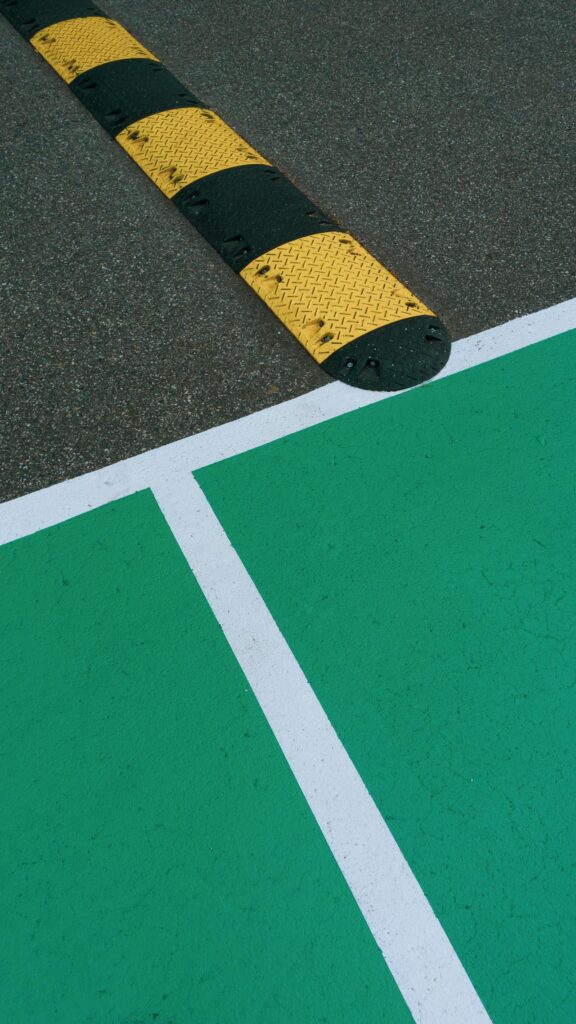
Whether stock or lowered, your vehicle’s ride height matters for comfort and safety.
Flood-Prone Areas
- Below 190mm: good only for dry, well-paved roads
- 200–230mm: suitable for typical Metro Manila floods
- 230mm+: better for places with poor drainage
Lower cars may easily stall or suffer water damage.
Road Obstacles
Drivers often struggle with:
- Tall speed humps in subdivisions
- Steep parking ramps in malls
- Uneven roads or construction zones
Many seasoned local drivers say: Your minimum ground clearance should match the highest hump on your daily route.
Rules on Lowered or Modified Vehicles (LTO)
The LTO does not give a fixed measurement, but it does require the following:
- The vehicle must stay consistent with manufacturer design unless properly declared.
- Any change to suspension height must be reported to the LTO.
- Modified vehicles must undergo inspection at an LTO PMVIC.
- Unsafe suspension changes or cuts are not allowed.
Your vehicle must still be safe to drive:
- No scraping on normal humps
- No bottoming out
- No loose or damaged parts
- Proper handling, especially at higher speeds
Recommended Steps for Drivers
To avoid getting penalized, drivers must:
- Check your daily route and identify the tallest humps or steep ramps.
- Avoid extreme lowering, since it can cause scraping, damage, and unsafe handling.
- Declare modifications to the LTO and get inspected at a PMVIC.
- If you live in a flood-prone area, consider a vehicle with 200mm+ ground clearance.
- When unsure, follow the manufacturer’s original recommended ride height.