
When a driver passes away, their LTO driver’s license automatically becomes invalid because it is a personal privilege that cannot be transferred or used by anyone else. While there’s no law requiring families to surrender or cancel the license, doing so can help prevent identity theft or misuse. The LTO system will eventually mark the license as expired and remove it from active records after several years. However, relatives may formally request license cancellation by submitting a death certificate and other documents to the LTO for proper record closure.
Families who want to take this step can easily do so by preparing the necessary documents and contacting their nearest LTO branch or the Driver’s Assistance Branch. This guide explains what happens to the license of a deceased license holder and what can be done to protect the integrity of the deceased license holder.
What Happens to the License
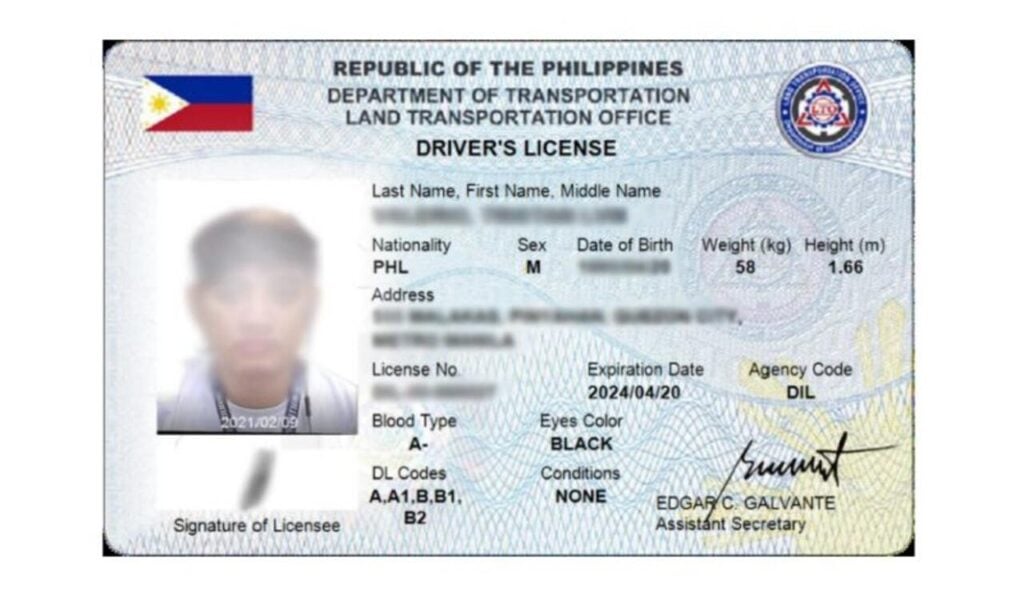
Upon the death of a license holder, here’s what happens to the LTO driver’s license:
- Automatically invalid: A driver’s license is tied to a person’s individual qualifications and fitness to drive. When that person dies, the license loses its validity immediately.
- Non-transferable: Unlike vehicles, which can be inherited or included in the estate, a driver’s license cannot be passed on or reused.
- Not legally usable: Using a deceased person’s license for any purpose—such as identification or driving—is considered fraudulent.
Note: The family of the deceased may or may not choose to report the death of the license owner to the LTO, but there might be risks in not reporting it and requesting for cancellation.
If the License Is Not Cancelled
If the family does not report the death or request cancellation, the LTO system will eventually tag the license as expired and, after ten (10) years, remove it from active records. However, leaving the license unreported can create risks, especially if the physical card is misplaced or stolen.
- Risk of identity theft: Fraudsters may use the deceased person’s license for illegal activities or false identification.
- Dormant record: Even if the license expires, it stays in the LTO database for up to ten years before being automatically deleted.
How to Request Cancellation of a Deceased License
To help protect the deceased’s identity and close their LTO record, families may request formal cancellation of the license. Here’s how:
Step 1. Secure the death certificate
- Get an original or certified true copy of the death certificate from the Philippine Statistics Authority (PSA).
Step 2. Write a formal request letter
- Address it to the LTO Driver’s Assistance in the LTO Branch, stating that you are requesting license cancellation due to the holder’s death.
Step 3. Attach the required documents
- PSA-issued death certificate
- A valid government-issued ID of the requester
- Proof of relationship to the deceased (e.g., birth or marriage certificate)
Step 4. Submit the documents
- You can send the documents via mail to the LTO Central Office or personally visit the nearest LTO District or Licensing Center.
- It’s best to call or visit your local branch first to confirm their specific process and requirements.
Optional License Storage
If a living driver decides to stop using their license, they may voluntarily surrender it to any LTO branch for storage.
- A storage fee applies, and the LTO will record the license as inactive.
- The record will remain in the system until the license expires or the holder re-applies.
For deceased holders, however, surrendering or canceling the license is recommended to avoid future complications.
For more information, you may visit the official LTO website or inquire directly at your local LTO office.