
The short answer is: No. Unmarked vehicles are not allowed to conduct checkpoints in the Philippines because official PNP guidelines actually require marked police cars and uniformed officers for any lawful checkpoint operation. If an unmarked vehicle tries to conduct a checkpoint, do not stop. It’s not authorized by the PNP.
To ensure that you avoid scams and unauthorized or abusive checkpoint activities and confidently assert your rights as a motorist, here’s how you can identify legitimate police checkpoint operations, so you know exactly what’s allowed—and what to do if something feels wrong.
Using Unmarked Vehicles in Checkpoints
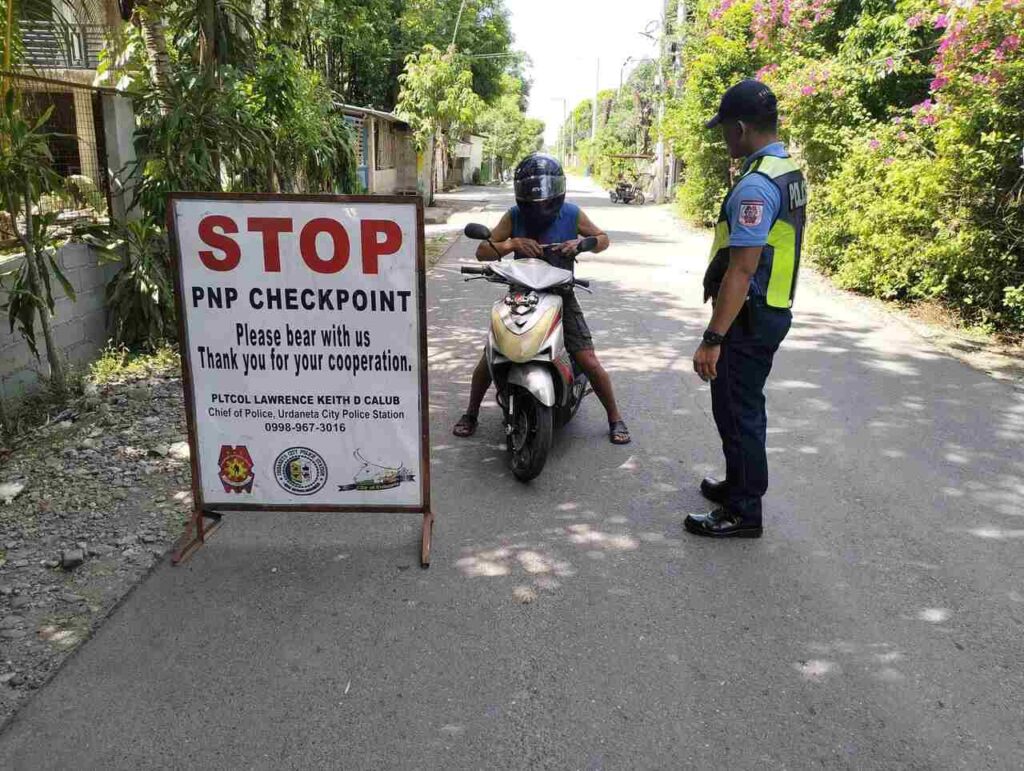
Using unmarked vehicles is not allowed when conducting checkpoints. According to the Philippine National Police (PNP) Standard Operating Procedures No. ODO-2009-02, only authorized and uniformed PNP personnel using marked police vehicles can set up and operate a checkpoint.
If you see a checkpoint operated by men in plain clothes or using unmarked cars, it’s a red flag. Such operations are unauthorized and potentially illegal. You are not required to stop unless they clearly identify themselves and show legitimate authorization.
Features of a Legal Checkpoint
Under the PNP’s official guidelines, checkpoints are meant to promote public safety and crime prevention—not to harass motorists.
A checkpoint is only valid if it meets these conditions:
- Authorized by the PNP or the local police commander.
- Manned by uniformed police officers with visible nameplates.
- Uses marked police vehicles (no unmarked or private cars allowed).
- Has clear signage (e.g., “PNP Checkpoint,” “Slow Down,” “Stop”).
- Is conducted in a well-lighted, visible area.
- Personnel act with courtesy and professionalism.
- Only visual searches are allowed, unless there is probable cause or a search warrant.
If these are missing—especially the marked vehicles or uniformed personnel—it’s best to stay cautious and report the incident.
Red Flags for Illegal or Unauthorized Checkpoints
The law is clear: even legitimate checkpoints have limits. Police officers must respect your rights and avoid unnecessary intrusion.
Here’s what they cannot do during a normal (routine) checkpoint:
- Force you to step out of your vehicle.
- Demand to open your trunk, glove compartment, or bags.
- Physically search your person or property.
- Ask unnecessary questions or detain you without cause.
- Extort money, intimidate, or harass motorists.
Only visual inspection is allowed. If an officer insists on a full search, you have the right to refuse unless they present a valid search warrant or if you are caught committing a crime.
Your Rights as a Motorist
When stopped at a legitimate police checkpoint, remember these simple rights:
- Stay calm and keep doors locked.
- Slow down, dim your headlights, and turn on your cabin light.
- Present your driver’s license and OR/CR only when asked politely.
- Do not step out of your vehicle unless instructed during lawful cause.
- Refuse physical or body searches.
- Be polite—you can assert your rights without confrontation.
If the officers violate these rules, note the location, vehicle plate number, and report immediately.
Where to Report Suspicious or Illegal Checkpoints
If you believe a checkpoint is illegal or abusive, you may:
- Call the PNP Hotline: (02) 8722-0650
- Text 8888 to report to the Office of the President.
- You may also message the PNP’s official Facebook page or report directly to the nearest police station.
Include details such as:
- Date, time, and location of the checkpoint
- Description of the vehicle and officers involved
- Photos or videos (if safely possible)
How to Stay Safe
To avoid misunderstandings or unsafe situations:
- Do not engage or argue with suspicious officers.
- Avoid stopping at night for checkpoints manned by unmarked vehicles.
- Head to the nearest police station or a well-lit public area if you feel unsafe.
- Stay respectful but firm in asserting your rights.