What Do I Do if I Encounter “License Number Already Registered” in LTMS?

If you’re trying to register your driver’s license on the Land Transportation Management System (LTMS) and see the message “License Number Already Registered,” don’t panic. This error simply means that your driver’s license number is already linked to an existing account in the system because your license details were used to create an LTMS account before—either by you, an LTO staff member, or through a previous transaction. Many drivers across the Philippines experience this issue, especially if their license was processed or renewed during the time when LTO staff created accounts for drivers without informing them. 

It is necessary to fix this issue because it prevents you from accessing or creating your LTMS account, which is required for most LTO services such as license renewal and vehicle registration. Resolving it ensures your records stay accurate, secure, and accessible for all your future LTO transactions. This guide will tell you the step-by-step procedures on how to fix the problem, regain access to your LTMS account, and avoid unnecessary stress or wasted trips to the LTO office.

What Do I Do if I Encounter License Number Already Registered in LTMS portal

Why You’re Seeing “License Number Already Registered”
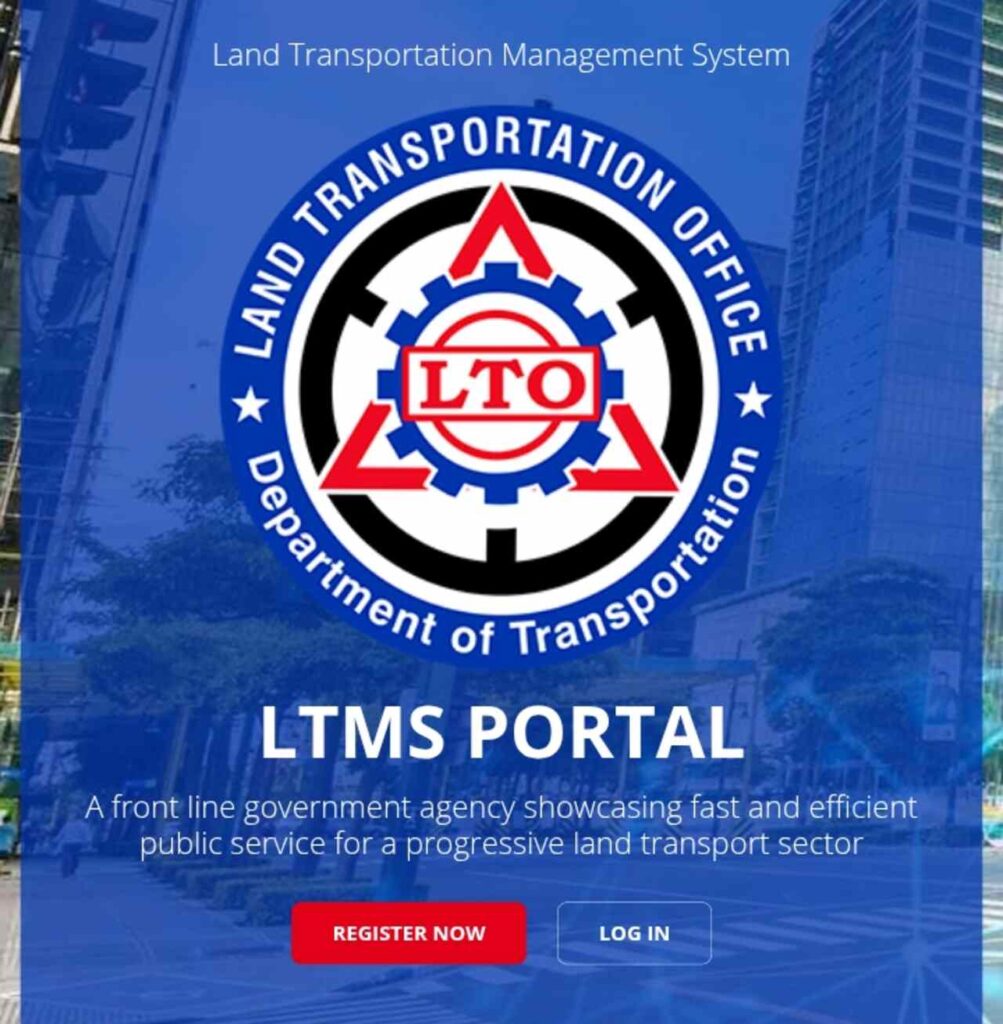
ltms-license-number-already-registered
Photo credit: LTMS

This error means that your driver’s license number is already linked to an existing LTMS account. This could happen if:

  • An LTO staff member created an LTMS account for you during your previous transaction.
  • You or someone else entered your details using a different email address.
  • You forgot you already registered before but never completed the email verification.
  • There’s a system error or duplicate license entry in the LTO database.

Whatever the reason, it can be fixed—you just need to follow the proper steps to do so.

Requirements

Before contacting LTO (regardless if it is via email or in-person), make sure you have the following:

  • Driver’s license number
  • Screenshot of the error
  • Photo of your driver’s license
  • Valid ID (if going to an LTO branch)

How to Fix “License Number Already Registered” Error in LTMS

To get this fixed, simply follow these steps:

1. Try Logging In to an Existing Account

Before creating a new account, check if your license is already tied to an existing LTMS account.

  • Go to the LTMS portal: https://portal.lto.gov.ph.
  • Click “Forgot Password.”
  • Enter your Driver’s License Number and email address that may have been used.
  • Follow the instructions to reset your password.

If you can successfully log in, that means your license was already registered before. You can now update your profile and proceed with your LTO transactions online.

2. If You Can’t Log In, Contact LTO Client Care

If resetting your password doesn’t work, it’s time to ask for help directly from LTO.

  • Compose an email and send it to clientcare@lto.gov.ph.
  • Include the following details:
    • Your full name
    • Driver’s license number
    • A clear screenshot of the “License Number Already Registered” error message
    • A clear photo or scanned copy of your driver’s license
  • Wait for their reply with instructions. Based on user experiences, it may take a few days for LTO to respond, depending on the volume of requests.

Expert Tip: Be patient and check your spam or junk folder in case their reply doesn’t appear in your inbox.

3. Visit the Nearest LTO Office (Optional but Faster)

If waiting is too much for you or if you’ve waited several days and haven’t received a response yet, then you also have the option to fix the issue by visiting an LTO District Office.

  • Bring a photocopy of your driver’s license and one valid ID.
  • Go to the Licensing Section and tell the staff that your LTMS registration shows “License Number Already Registered.”
  • They can help reset or verify your LTMS account and, if needed, create a new one using your client number.

Many drivers have reported that their LTMS issue was fixed in just one visit, while emails often take longer to get a response.

How Long Does It Take to Fix?

The time to complete the process of fixing this LTMS portal error may vary depending on the method you chose. Here’s a general timeline, according to the users who shared their experiences online:

  • Via email: 2–5 business days on average (depending on LTO’s response time).
  • Via in-person visit: Can be fixed within the same day at most district offices.

Common Mistakes to Avoid

Fixing LTMS registration problems can become troublesome depending on what you do. To ensure it stays simple and easy to fix, try to avoid making these mistakes:

  • Creating multiple LTMS accounts – this can lead to further confusion or errors.
  • Using fake or incorrect email addresses – always use your active email when registering.
  • Paying “fixers” online – there are fake pages and individuals claiming they can “unlock” your LTMS account for a fee. Avoid them.

By carefully following this guide, you’ll be able to access your LTMS account without delays and complete your LTO transactions—like renewal, change of records, or vehicle registration—online and hassle-free.
What is the Minimum Height Requirement for a Driver’s License?

If you’ve ever wondered whether your height could stop you from getting a driver’s license, here’s some good news — the Land Transportation Office (LTO) does not have a minimum height requirement for issuing a driver’s license. What matters is your ability to drive safely, not how tall you are.

We look into what the LTO really looks for, what physical requirements you must meet, and what to do if your height makes it harder to operate a vehicle. Whether you’re short, tall, or somewhere in between, this article will help you understand exactly what’s needed to get licensed in the Philippines.

height requirement for driver's license philippines

Does the LTO Have a Minimum Height Requirement?

minimum-height-drivers-license-applicant-lto
Photo credit: JESHOOTS.com

No, the LTO does not have a set standard for the minimum height requirement for anyone applying for a driver’s license. Instead, the agency is focused more on checking if you are:

  • Physically fit: You must be capable of controlling and operating a vehicle properly.
  • Mentally fit: You should be able to make sound decisions and react appropriately while driving.

Note: When you apply for a license, your height and weight are only recorded for identification purposes and not as part of any qualification test.

What If You’re Shorter Than Average?

Some people worry that being shorter might make it difficult to reach the pedals or see clearly over the dashboard. If that’s the case, you can still qualify for a driver’s license with the help of vehicle adjustments or assistive devices, such as:

  • Adjustable or custom driver seats
  • Pedal extensions
  • Steering wheel modifications

Note: The LTO allows these modifications because its goal is to make driving safe and accessible for everyone, regardless of physical characteristics.

The 150 cm (4’11”) Height Rule — What It Actually Means

You might have heard that the LTO requires a minimum height of 150 cm (about 4 feet 11 inches). However, that rule doesn’t apply to driver’s license applicants. That height limit is for child passengers and is a restriction related to child safety regulations instead of adult drivers. 

According to the law that specified this height limit, a child is only legally allowed to sit in the front seat or ride without a child restraint system upon reaching  a minimum height of 150 cm (about 4 feet 11 inches). It is not at all related to getting or keeping an LTO driver’s license.

LTO Driver’s License Requirements (for all applicants)

Even though there’s no height requirement, the LTO still need all license applicants to meet a set standard to qualify:

  • Must be physically and mentally fit to operate a motor vehicle
  • Must be able to read and write in Filipino, English, or the local dialect
  • Must pass the theoretical and practical driving exams
  • Must submit all documentary requirements, including valid ID, medical certificate, and application form
  • Must not have any unsettled traffic violations or disqualifications

For a complete list of requirements, visit this guide on the List of Requirements for Non-Professional Driver’s License Applicants.

What to Do If You’re Worried About Your Height

If your height makes it difficult to see over the dashboard, reach the pedals, or handle the steering wheel comfortably, here’s what you can do:

  • Adjust your vehicle setup. Ask a mechanic to modify your seat or pedals for comfort and safety.
  • Practice in a safe area. Before taking your driving test, practice in a closed area to get used to your vehicle adjustments.
  • Bring it up during your medical exam. Inform the accredited medical examiner about any physical limitations so they can assess you properly.
  • Drive confidently. The LTO focuses on driving ability, not body measurements — so as long as you can drive safely, you’re qualified.

For updated guidelines and official announcements, always check with the LTO by either following their official social media pages or checking their official website.

What’s the Penalty for Hit-and-Run Incidents?

A hit-and-run happens when a driver causes an accident and leaves the scene without helping the victim or reporting the incident to authorities. In the Philippines, this is considered a serious criminal offense under the Revised Penal Code and other traffic laws, with penalties that may include imprisonment, hefty fines, and revocation of the driver’s license. Even if the driver did not intend to cause harm, fleeing the scene automatically worsens the case and increases the legal consequences. 

Whether it’s a minor injury or a fatal crash, every driver must know their legal duties after an accident and understand the proper steps to take if they are involved in one to avoid the penalties for a hit-and-run incident. Below is a simple, updated, and easy-to-understand guide to help drivers, victims, and families know the penalties, legal basis, and what to do when faced with a hit-and-run situation.

penalty for hit and run philippines

What the Law Says  

penalties-hit-and-run-philippines
Photo credit: NJ Law Results

“Hit-and-run” is a commonly used term, but there isn’t a single law that defines or covers all the penalties associated with it. It is, in fact, covered under several legal provisions, including:

Penalties for Hit-and-Run Incidents

Drivers who flee the scene after an accident face criminal, civil, and administrative penalties.

1. Criminal Penalties

Under the Revised Penal Code:

  • Reckless Imprudence Resulting in Homicide or Injury (Article 365, Revised Penal Code)
    • If the accident causes death: imprisonment (prisión correccional to prisión mayor).
    • If it causes injury or property damage: imprisonment (arresto mayor, 1 month and 1 day to 6 months) or fines.
  • Abandonment of One’s Own Victim (Article 275, Revised Penal Code)
    • Failing to help or render assistance after an accident is punishable by 1 to 6 months imprisonment.

2. Fines

  • Fines can range from ₱2,000 to ₱500,000, depending on the damage, injury, or death caused.

3. License Suspension or Revocation (LTO Sanctions according to Republic Act No. 10930)

  • The LTO may suspend or revoke your license if you’re found negligent.
  • Suspension: Up to 3 months for minor cases.
  • Revocation:
    • If the victim dies or suffers serious injury (like blindness or permanent disability).
    • License may be revoked for 4 years or longer, depending on the case.

4. Civil Liability (Damages to Victims or Families)

Drivers are also financially responsible for the harm caused. Courts may order them to pay for:

  • Medical or funeral expenses
  • Loss of income of the victim or their family
  • Moral and exemplary damages for pain, suffering, and emotional distress

What Drivers Must Do After an Accident

Under Section 55 of RA 4136 (Land Transportation and Traffic Code), every driver involved in an accident must:

  • Stop immediately at the scene (if safe to do so)
  • Help the victim by bringing them to a hospital or calling emergency services
  • Show identification (driver’s license, name, and address)
  • Report the incident to the nearest police station or traffic authority

Note: Leaving without doing these can make you liable for a hit-and-run offense.

A driver can only leave the scene if:

  • Their life is in danger (risk of being harmed by a crowd)
  • They are going to report the accident to the nearest law officer
  • They are leaving to find medical help for the victim

Note: If the driver later returns or properly reports the case, it may not be considered a hit-and-run.

What Happens After a Hit-and-Run

Here’s what usually happens when a hit-and-run incident occurs:

If a driver flees the scene:

  • Police Investigation: Authorities will use CCTV footage, witnesses, and plate numbers to identify the suspect.
  • Filing of Case: The victim or family can file a criminal complaint for reckless imprudence and abandonment.
  • Court Proceedings: If proven guilty, the driver faces imprisonment, fines, and revocation of their license.
  • Civil Claims: The victim or family may also claim damages separately or together with the criminal case.

Guide for Victims and Families

If you or someone you know is a victim of a hit-and-run, then this is what you should do:

  • Report the incident immediately to the nearest police station or LTO office.
  • Gather evidence (CCTV, dashcam, photos, witnesses).
  • Seek medical help and keep all records.
  • Contact a lawyer for guidance on filing a criminal and civil case.

Accidents can happen to anyone—but fleeing makes it a crime so if you ever find yourself in an accident, don’t run. Stop, help, and report. Doing the right thing could save a life—and keep you out of jail at the same time.

error: Content is protected !!