Can I Apply for an LTO Driver’s License if I Have Pending Criminal Cases?

Having a pending criminal case does not automatically stop you from applying for or renewing your driver’s license with the Land Transportation Office (LTO). So, if you are wondering if you can still apply for or renew your LTO driver’s license if you have a pending criminal case, then the short answer is yes, in most cases you still can—unless a court order or traffic-related offense directly affects your license. Afterall, the LTO only blocks licenses that have court orders, traffic-related criminal cases, or unsettled violations in their system.

So if your case is unrelated to traffic and there’s no court hold, you can still process your LTO driver’s license application or renewal without any problem. Let’s take a closer look at what the official sites and laws say.
Can I Apply for an LTO Driver’s License if I Have Pending Criminal Cases
license-apply-with-pending-criminal-case
Photo credit: Roboflow Universe

What the Law Says

Under several laws and LTO regulations, a person’s driver’s license can only be suspended, revoked, or held if there’s a court order or if the case involves a traffic-related offense.

When it comes to pending criminal cases, here’s what the laws say:

  • Republic Act 4136 (Land Transportation and Traffic Code): The LTO may suspend or revoke a license only after a conviction for a serious offense or when a court orders it.
  • RA 10930 (2017): Focuses on traffic violations through a demerit-point system, not general crimes.
  • LTO Administrative Order AVT-2014-023: Uses the Traffic Violation Information System (TVIS) to record violations that can block your renewal.
  • Rule 136 of the Rules of Court: Courts may issue an order to hold or confiscate your license during a case.
  • Data Privacy Act of 2012 (RA 10173): Prevents the LTO from freely checking court records for pending non-traffic cases.

This means that the LTO doesn’t automatically check for pending criminal cases unless the court or law enforcement specifically sends an order.

What the LTO Actually Checks

When you apply or renew your LTO driver’s license, the system verifies:

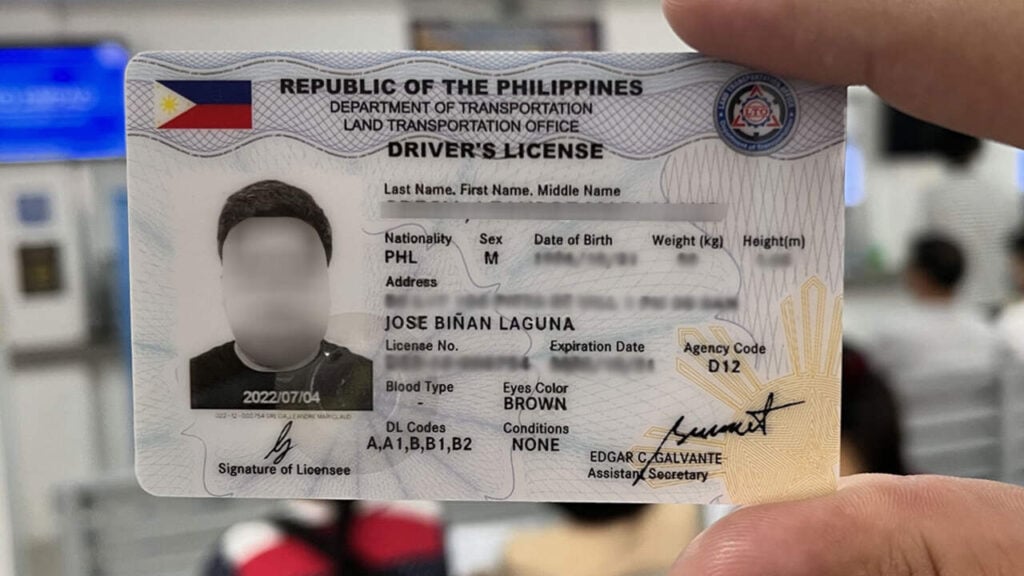
  • Your identity and biometrics (ID, fingerprint, photo, signature)
  • Medical certificate (from an LTO-accredited clinic)
  • CDE exam or seminar certificate
  • Unpaid traffic fines or alarms in the TVIS system
  • Suspension lists from agencies like:
    • PNP-HPG or i-ACT (for traffic warrants)
    • LTFRB (for professional or PUV violations)

Note: The LTO does not automatically check with the DOJ, NBI, or courts for non-traffic criminal cases.

When a Pending Case Can Affect Your License

There are only a few situations where your pending criminal case can stop you from getting or renewing your LTO license:

  • Court Order: A judge orders your license held or suspended (common for reckless driving resulting in injury or death).
  • Traffic-Related Criminal Charge: For example, violations of RA 10586 (Anti-Drunk and Drugged Driving Act).
  • LTFRB Administrative Case: For professional or PUV drivers facing misconduct.
  • PNP-HPG Warrant: Your name appears on a warrant list related to vehicular crimes.

If any of these apply, your renewal will be blocked until the issue is resolved or the court order is lifted.

What Doesn’t Affect Your LTO License

You can still apply or renew your license even if you have these cases:

  • Non-traffic criminal cases (e.g., estafa, BP 22, slight physical injuries)
  • Cases still under preliminary investigation
  • Civil or small claims cases
  • Pending barangay or mediation cases
  • No need for NBI or police clearance when renewing a license

As Senate leaders pointed out in previous hearings, people should not lose their livelihood as drivers just because of a pending case—since everyone is still presumed innocent until proven guilty.

Practical Tips if You Have a Pending Case

To avoid renewal problems, here’s what you can do:

  • Check for traffic alarms via any LTO Law Enforcement Service counter or the LTMS portal.
  • Bring a court order stating your license isn’t suspended (if applicable).
  • Coordinate with your lawyer if your case involves driving conditions.
  • Settle all old traffic fines—these are the most common reasons for renewal denial.
  • Update your LTMS contact details to get notified if any new hold or alarm is placed.

Frequently Asked Questions (FAQs)

For your reference, here are some common questions and answers related to license application if you have pending criminal cases:

1. Can the LTO see my criminal case file?

No. They only see LTO-related records and official court orders linked to your license.

2. Can I renew online via LTMS if I have a pending theft case?

Yes, unless your license has a hold. The system will proceed if your traffic record is clear.

3. Does the NBI inform the LTO automatically?

No. As of 2025, there’s no system link between NBI and LTO for non-traffic criminal cases.

4. If my case is dismissed, how do I lift the hold?

File a Motion to Lift Hold/Suspension in court, then bring a certified copy of the order to the LTO for encoding.

Need More Information?

For specific cases, you may also consult your lawyer or contact the LTO Law Enforcement Service. 
Can I Convert a Single Motorcycle into a Sidecar Tricycle Legally?

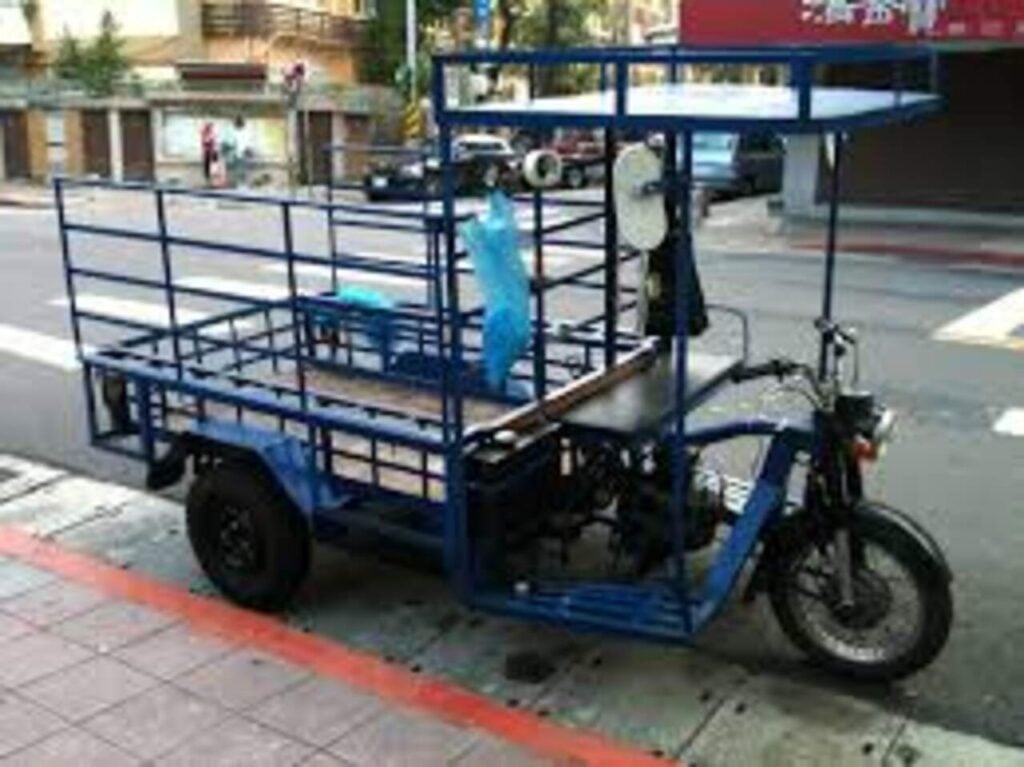
Converting a single motorcycle into a sidecar tricycle means adding a sidecar to your regular motorcycle to carry more passengers or cargo. It turns your two-wheeled ride into a more stable, three-wheeled vehicle that’s practical for family use or small business transport. But, is it legally doable? Apparently, yes — you can legally convert a single motorcycle into a sidecar tricycle, but it must first be properly registered with the Land Transportation Office (LTO), thanks to the changes it makes to the vehicle’s body design. 

While this change is possible to do legally, the sidecar tricycle can’t be used on public roads until it’s officially recognized as a “motorcycle with sidecar”. This means completing the inspection, securing the right documents, and paying the LTO registration fees for the change of body design. Listed below is a clear, step-by-step guide on how to do this, according to the LTO process. 

Can I Convert a Single Motorcycle into a Sidecar Tricycle Legally

Why Convert Your Motorcycle Into a Tricycle?

can-i-convert-motorcycle-to-sidecar-tricycle
Photo credit: Wikimedia Commons

Many riders choose to convert their single motorcycles into sidecar tricycles because it’s a practical and affordable way to upgrade their ride. It allows them to carry more passengers, transport goods, or even use it for small business purposes. 

Here are some of the most common reasons why people make the conversion:

  • Added passenger and cargo capacity
  • Better balance and road stability
  • Lower fuel and maintenance costs compared to cars
  • Ideal for family or delivery use
  • Can be registered as a private or “for hire” tricycle for extra income

Safety Considerations When Adding a Sidecar

When converting a motorcycle into a sidecar tricycle, safety should always come first. A poorly built or attached sidecar can affect balance, steering, and braking, putting both the driver and passengers at risk. 

To keep your tricycle safe and roadworthy, here are some important safety considerations to remember:

  • Make sure the sidecar is securely attached by a qualified mechanic.
  • Use high-quality bolts, brackets, and welds to prevent detachment or wobbling.
  • Keep the weight balanced between the motorcycle and sidecar to avoid tipping.
  • Regularly check tire pressure and alignment for even handling.
  • Ensure the brakes and lights work properly on both the motorcycle and sidecar.
  • Drive at moderate speeds, especially on turns or uneven roads.
  • Always wear helmets and follow traffic laws to stay safe on the road.

Once the sidecar is attached to the motorcycle, you are then expected to get it registered at the LTO. 

Why Register Your Motorcycle with a Sidecar

While attaching a sidecar adds stability, safety, and extra space, it also changes your motorcycle’s structure — so it is necessary for the LTO to inspect and approve it. Having said that, driving an unregistered sidecar tricycle is illegal and may result in penalties or impoundment. With proper registration, you can be sure that you are protected and that your tricycle is legal for use on public roads.

You can also ask to link your vehicle to your LTMS account for easier renewals in the future: How to Create an LTMS Account.

Estimated LTO Fees and Costs (Private Tricycle)

You also need to be ready to pay the following:

  • Affidavit of Attachment: ₱300
  • CTPL Insurance: ₱350
  • Emission Test: ₱450
  • MVUC: ₱240
  • Science Tax: ₱4.50
  • Legal Research Fee: ₱10
  • Change of Body Design: ₱100

Note: Fees may vary depending on location or late renewal penalties. Registering your sidecar during your annual renewal helps you save time and avoid multiple visits to the LTO.

Important Reminders 

For your reference, you might want to keep these things in mind:

  • No plate number yet? You can still register your tricycle using a temporary plate. The PETC can help you get one for emission testing and insurance purposes.
  • No sidecar receipt? You can get one from a licensed sidecar builder who issues official receipts for a fee.
  • Can you drive without LTO registration? No. It’s illegal and you can be fined or have your tricycle impounded.
  • Can’t find the former owner? You must secure the former owner’s ID copies and signatures — otherwise, registration won’t be processed.

For a more detailed guide on registering your motorcycle with a sidecar, you may check out this guide on how to modify a motor vehicle’s body design at LTO.

What Are the Insurance Requirements for Motorcycles in the Philippines?

Motorcycle insurance is a legal requirement in the Philippines, ensuring that riders are financially protected in case of accidents or third-party injuries. The Compulsory Third Party Liability (CTPL) insurance is the minimum coverage required by law before a motorcycle can be registered with the Land Transportation Office (LTO). While CTPL only covers injuries or death of third parties, riders can also choose optional insurance for added protection against theft, damage, or personal accidents to safeguard themselves from unexpected expenses. 

Whether you’re a first-time motorcycle owner or a daily commuter, knowing what insurance you need and how it works can save you time, money, and stress when accidents happen.

What Are the Insurance Requirements for Motorcycles in the Philippines

What is an Insurance and Why is It Required?

motorcycle-insurance-requirements-lto
Photo credit: All Star Insurance

Insurance is a financial protection agreement between you and an insurance company that helps cover costs in case of accidents, damage, or loss. In simple terms, it acts as a safety net — if something bad happens, the insurance company helps pay for expenses instead of you shouldering everything alone. For motorcycles, having insurance (specifically Compulsory Third Party Liability or CTPL) is required by the LTO before registration or renewal. This ensures that if a rider causes an accident that injures or kills another person, there’s financial support available for the victim or their family.

Why Motorcycle Insurance Is Necessary for LTO Registration

It is a necessity for motorcycle owners because:

  • It is mandated by law under the Compulsory Third Party Liability (CTPL) requirement.
  • It ensures that victims of road accidents receive compensation without delay.
  • It promotes responsible driving and accountability on the road.
  • Without CTPL insurance, your motorcycle registration or renewal will not be processed by the LTO.

Key Features and Benefits 

It also offers: 

  • Financial Protection: Covers costs from third-party injuries, property damage, or vehicle repair (depending on coverage).
  • Legal Compliance: Required for LTO registration, ensuring you’re legally allowed to drive your motorcycle.
  • Peace of Mind: Reduces stress knowing you’re protected from unexpected financial burdens.
  • Accident Assistance: Some insurance plans offer medical and emergency support for riders and passengers.
  • Optional Add-ons: Comprehensive plans can include protection from theft, fire, natural disasters, and personal accidents.

In short, motorcycle insurance isn’t just a legal formality — it’s a smart investment for your safety, financial security, and peace of mind every time you ride.

Insurance for Motorcycles

There are two general types of insurance for motorcycles—the mandatory and the optional ones—that you may check out:Motorcycles

There are two general types of insurance for motorcycles

Mandatory Insurance Requirement

Before you can register or renew your motorcycle registration with the Land Transportation Office (LTO), you must have Compulsory Third Party Liability (CTPL) insurance. This is the only insurance required by law for all motorcycle owners in the Philippines.

The CTPL (Compulsory Third Party Liability) is a government-required insurance that every motorcycle owner must have to register their vehicle. It provides financial protection if you cause an accident that leads to injury or death of another person (a “third party”). The LTO won’t process your motorcycle registration or renewal without proof of CTPL coverage. It is available via accredited insurance companies nationwide.

Optional Insurance Coverage 

While CTPL covers third-party injuries, it does not cover your own motorcycle or personal injuries. 

For better protection, many riders choose from these additional coverage options:

  • Third-Party Property Damage (TPPD): Covers damage to another person’s property (like a car or building) in an accident you caused.
  • Own Damage (OD): Pays for repair or replacement of your motorcycle if it gets damaged by accident, fire, or theft.
  • Personal Accident (PA): Provides compensation for injuries, disability, or death caused by an accident. Some policies also cover loss of income.
  • Comprehensive Coverage: A full-package option that may include protection from theft, vandalism, collision, and natural disasters such as floods, earthquakes, or typhoons.

Note: Optional coverages usually cost more, but they save you from spending thousands on repairs or hospital bills later on.

Cost of Motorcycle Insurance in the Philippines

Motorcycle insurance rates start at around ₱250 for CTPL. Prices go up depending on:

  • The type and value of your motorcycle
  • The coverage you choose (CTPL only or with add-ons)
  • Your riding experience and record
  • Your location (some areas have higher risks of accidents or theft)

Each insurance provider uses its own formula to calculate premiums, so it’s best to compare quotes before purchasing.

error: Content is protected !!